<?xml version="1.0" encoding="utf-8"?>
<feed xmlns="http://www.w3.org/2005/Atom">
  <title>Gunther Cox</title>
  <subtitle>Writing on open source software, robotics, hardware, and engineering.</subtitle>
  <link href="https://gunthercox.com/feed.xml" rel="self"/>
  <link href="https://gunthercox.com/"/>
  <updated>2026-08-06T12:09:42Z</updated>
  <id>https://gunthercox.com/</id>
  <author>
    <name>Gunther Cox</name>
    <email>gunther@gunthercox.com</email>
  </author>
  
  <entry>
    <title>The Complete Guide to Driving Website Traffic in the Age of AI (2026 Edition)</title>
    <link href="https://gunthercox.com/posts/driving-website-traffic-ai-age/"/>
    <updated>2026-06-19T00:00:00Z</updated>
    <id>https://gunthercox.com/posts/driving-website-traffic-ai-age/</id>
    <summary>Traditional search is declining as AI chatbots and Google AI Overviews deliver zero-click answers. Learn how to adapt with Generative Engine Optimization (GEO) - structuring content for AI citation, maximizing information gain, building entity authority, and diversifying traffic beyond organic search.</summary>
    <content type="html"><![CDATA[<p><strong>TLDR: The Search Landscape Has Fundamentally Changed</strong></p>
<ul>
<li><strong>The Shift:</strong> Traditional search volume is dropping as AI chatbots (ChatGPT, Claude, Perplexity) and Google AI Overviews provide direct, zero-click answers.</li>
<li><strong>The Strategy:</strong> Generative Engine Optimization (GEO) replaces traditional SEO tactics. Focus on optimizing for AI citations, not just blue links.</li>
<li><strong>The Tactics:</strong> Lead with direct answers (Answer-First structuring), inject original data to increase Information Gain, solidify your Entity Authority across the web, implement robust Schema markup, and diversify your traffic engines.</li>
</ul>
<h2>1. Introduction: The Search Landscape is Shifting</h2>
<p>For the past two decades, the formula for website traffic was relatively straightforward: target a high-volume keyword, create comprehensive long-form content, build authoritative backlinks, and earn a coveted spot within the top &quot;ten blue links.&quot; But the introduction of Large Language Models (LLMs) and generative search experiences has shattered that established paradigm.</p>
<p>In early 2024, a widely cited <a href="https://www.gartner.com/en/newsroom/press-releases/2024-02-19-gartner-predicts-search-engine-volume-will-drop-25-percent-by-2026-due-to-ai-chatbots-and-other-virtual-agents">Gartner research report</a> made a startling prediction: <strong>traditional search engine volume will drop 25% by 2026</strong>, with search marketing losing substantial market share to AI chatbots and virtual agents.</p>
<p>We are currently navigating that reality. Users no longer need to click through four different websites to compare software, read a tutorial, or find a recipe. Google’s AI Overviews, Perplexity, and ChatGPT synthesize the information across multiple domains and serve it directly to the user in a conversational interface. This &quot;zero-click&quot; environment means that optimizing merely for page views is rapidly becoming a losing battle.</p>
<p>However, AI engines are not omniscient; they still require high-quality source material. They rely on real-time web scraping and vast databases of training data to construct their answers. The websites that thrive in this new era are those that position themselves to be <em>cited</em> by these AI engines.</p>
<p>If you want to drive relevant, high-converting traffic to your website today, you need to master a new discipline: <strong>Generative Engine Optimization (GEO)</strong>. This comprehensive guide will walk you through the top, actionable ways to optimize your digital presence for the age of AI.</p>
<h2>2. Understanding Generative Engine Optimization (GEO)</h2>
<h3>A. What is Generative Engine Optimization?</h3>
<p>Generative Engine Optimization (GEO) is the practice of structuring your content, brand presence, and technical web foundation so that AI-powered search platforms retrieve, cite, and recommend your website when answering user queries.</p>
<p>If traditional SEO was about convincing an algorithm that your page was the most relevant to a specific keyword, GEO is about convincing an AI model that your brand is the definitive, authoritative source of an <em>answer</em>.</p>
<h3>B. SEO vs. GEO: What is the Difference?</h3>
<p>While GEO builds upon traditional SEO fundamentals, the focal points shift significantly in execution:</p>
<ul>
<li><strong>Primary Goal:</strong> SEO aims for top-ranking links and direct website visits. GEO aims for inclusion and citation within AI-generated answers.</li>
<li><strong>Content Optimization:</strong> SEO relies heavily on keywords, title tags, and exhaustive topic coverage. GEO relies on self-contained paragraphs, direct factual answers, and high &quot;information gain.&quot;</li>
<li><strong>Authority Building:</strong> SEO prioritizes domain authority and backlinks. GEO prioritizes &quot;Entity Authority&quot;-meaning consistent, positive mentions of your brand across trusted third-party platforms.</li>
<li><strong>Measurement:</strong> SEO measures organic clicks, impressions, and bounce rates. GEO measures citation frequency, share of AI voice, and brand sentiment within AI platforms.</li>
</ul>
<p>The good news is that you do not need to scrap your existing content strategy. Instead, you must evolve it. Here are the top ways to drive traffic and earn AI citations in 2026.</p>
<h2>3. Know the Players: AI Overviews vs. Answer Engines</h2>
<p>Before optimizing, it is crucial to understand that not all AI search tools operate the same way. The tactics you use must account for the nuances between different platforms.</p>
<h3>A. Google AI Overviews</h3>
<p>Google’s AI Overviews sit at the top of traditional search results. They are heavily tied to Google's traditional ranking algorithms. If your content does not possess strong standard SEO signals (E-E-A-T, fast load times, mobile optimization), it is unlikely to be pulled into an AI Overview. Google's AI prefers synthesizing snippets from pages that already rank well.</p>
<h3>B. Independent Answer Engines (Perplexity, ChatGPT, Claude)</h3>
<p>These platforms act as standalone conversational agents. They frequently utilize web-browsing capabilities (like Bing search integration) to pull real-time data. Unlike Google, these platforms are less tethered to traditional Domain Authority. They prioritize content that is highly structured, easy to parse, and rich in verifiable facts. A smaller, niche website with clearly formatted, highly relevant data can easily out-cite a massive media conglomerate on these platforms.</p>
<h2>4. Structure Content for AI Extraction (The &quot;Answer-First&quot; Approach)</h2>
<p>AI crawlers are not human readers; they are parsing machines looking for high-confidence facts to extract and weave into a synthesized response. If your content buries the answer beneath three paragraphs of conversational setup, the AI will skip your site and pull from a competitor whose content is more accessible.</p>
<h3>A. Implement Inverted Pyramid Writing</h3>
<p>Start every section with a clear, direct, and concise answer to the implied question. Provide the &quot;what&quot; and &quot;how&quot; immediately in the first 1-2 sentences. Use the subsequent paragraphs to provide context, examples, and deeper analysis. This ensures that when an AI looks for a quick fact, your paragraph works flawlessly as a standalone excerpt.</p>
<h3>B. Optimize Heading Hierarchies (H2s and H3s)</h3>
<p>AI models rely heavily on your HTML structure to understand the relationship between concepts.</p>
<ul>
<li>Use H2s for broad questions or main topics (e.g., &quot;What are the Benefits of AI in Marketing?&quot;).</li>
<li>Use H3s for the specific list items or sub-topics.</li>
<li>Immediately following an H2 or H3, provide a succinct summary statement.</li>
</ul>
<h3>C. Leverage FAQ Sections and Micro-formatting</h3>
<p>AI engines love Question-and-Answer pairs. Adding a dedicated FAQ section at the bottom of your core pages increases the surface area for AI to find exact-match answers to user prompts.
Furthermore, format your content for easy parsing:</p>
<ul>
<li><strong>Bulleted Lists:</strong> Use these for processes, features, or sequential steps.</li>
<li><strong>HTML Tables:</strong> Use tables for comparing data, pricing, or specifications. AI models are exceptionally adept at extracting structured data from tables.</li>
</ul>
<h2>5. Maximize &quot;Information Gain&quot; and Original Data</h2>
<p>In the past, marketers often practiced &quot;skyscraper SEO&quot;-looking at the top-ranking articles for a keyword and simply rewriting them to be slightly longer. In the age of AI, this strategy is entirely obsolete.</p>
<p>LLMs are already capable of synthesizing the consensus view of the internet. If your article simply repeats what is already out there, an AI engine has zero incentive to cite you. To earn a citation, your content must possess high <strong>Information Gain</strong>.</p>
<h3>A. What is Information Gain?</h3>
<p>Information Gain is an information retrieval concept that measures the amount of <em>new</em>, unique information a piece of content provides compared to existing articles on the same topic. It is a driving force behind AI citations as original information has shown to increase the likelihood that content will be referenced, cited, or surfaced by both search engines and AI systems.</p>
<h3>B. How to Achieve High Information Gain</h3>
<ol>
<li><strong>Original Research and Proprietary Data:</strong> Publish surveys, industry reports, and data points that only your company possesses. When an AI needs a statistic, it traces the data back to the primary source. If you are the primary source, you secure the citation.</li>
<li><strong>Expert Commentary and Unique Perspectives:</strong> Interview subject matter experts. Include direct quotes and bold opinions that challenge the industry consensus.</li>
<li><strong>Real-World Case Studies:</strong> AI cannot synthesize experience it has never ingested. Detailed narratives of how your product solved a specific problem for a specific client provide unique narrative value that AI engines will reference when users ask for &quot;real-world examples of [Solution].&quot;</li>
</ol>
<h2>6. Cultivate Entity Authority and E-E-A-T</h2>
<p>Generative AI models do not just evaluate individual web pages; they evaluate <em>entities</em>. An entity can be a person, a brand, a product, or a concept.</p>
<p>When a user asks ChatGPT, &quot;What is the best CRM for a small accounting firm?&quot;, the AI does not just scan for pages optimized for that keyword. It assesses its neural network for entities (CRM brands) strongly associated with &quot;small accounting firms&quot; and &quot;reliability.&quot;</p>
<h3>A. Strengthening Your E-E-A-T</h3>
<p>E-E-A-T stands for Experience, Expertise, Authoritativeness, and Trustworthiness. To ensure AI models trust your brand enough to recommend it, you must build signals that validate your authority.</p>
<ul>
<li><strong>Robust Author Profiles:</strong> Ensure every piece of content is tied to a real human author. Include a detailed author bio outlining their credentials, links to their LinkedIn profile, and mentions of their published work elsewhere.</li>
<li><strong>Digital PR and Unlinked Mentions:</strong> A backlink is great, but in the age of AI, even an <em>unlinked mention</em> is incredibly powerful. According to insights on <a href="https://searchengineland.com/what-is-generative-engine-optimization-geo-444418">GEO frameworks from Search Engine Land</a>, AI systems heavily weigh off-page reputation. Getting your brand mentioned in industry podcasts, reputable news outlets, and forums like Reddit builds the semantic association between your brand and your niche.</li>
<li><strong>Knowledge Panel Management:</strong> Claim and actively manage your Google Knowledge Panel, Google Business Profile, and even Wikipedia presence (if eligible and so long as is treated as a true information source and not a marketing avenue). These are primary data nodes that feed foundational AI models.</li>
</ul>
<h2>7. Lay a Bulletproof Technical Foundation</h2>
<p>No matter how excellent your content is, if an AI crawler cannot easily parse it, you will not be cited. Technical SEO is arguably more important in the GEO era than it was before, as it removes the friction of understanding.</p>
<h3>A. Implement Advanced Schema Markup</h3>
<p>Schema markup (structured data) translates your web content into a language that search engine bots and AI crawlers inherently understand. You should aggressively deploy:</p>
<ul>
<li><code>Article</code> and <code>NewsArticle</code> schema to define authorship, publisher, and publication dates.</li>
<li><code>FAQPage</code> schema to directly feed your carefully crafted Q&amp;A pairs to search engines.</li>
<li><code>Organization</code> schema to solidify your brand entity, explicitly linking your website to your social profiles and contact information.</li>
<li><code>ProfilePage</code> schema for your authors to reinforce E-E-A-T.</li>
</ul>
<h3>B. Prioritize Clean DOM Structure</h3>
<p>Some AI retrieval systems may not execute complex client-side JavaScript as reliably as Google's search infrastructure. If your core content requires complex client-side scripts to load, AI bots might just see a blank page. Ensure that your critical text and data are rendered in clean, accessible HTML.</p>
<h3>C. Keep Content Fresh</h3>
<p>Generative models are increasingly connected to real-time search to provide up-to-date answers. A comprehensive guide written in 2023 will almost always lose a citation battle to a slightly less comprehensive but freshly updated guide from 2026. Regularly audit your top-performing content, update statistics, add new insights, and visibly display a &quot;Last Updated&quot; timestamp to signal recency to crawlers.</p>
<h2>8. Diversify Traffic Sources with Loop Marketing</h2>
<p>If search volume is dropping by 25%, you cannot rely solely on organic search (whether traditional or AI-driven) to hit your traffic goals. You must proactively build alternative traffic engines.</p>
<p>Industry leaders like HubSpot advocate for adapting to these changes by utilizing a <a href="https://knowledge.hubspot.com/campaigns/understand-loop-marketing">Loop Marketing approach</a>. Unlike the traditional linear funnel (where a user searches, clicks, and buys), modern buyer journeys are scattered. Buyers now research with AI, get their answers before clicking, and discover solutions across channels like TikTok, LinkedIn, and private Slack communities.</p>
<h3>A. Building Owned Audiences</h3>
<p>When algorithms change, owned audiences save businesses.</p>
<ul>
<li><strong>Email Newsletters:</strong> Shift focus from capturing transient page views to capturing email addresses. A subscriber represents guaranteed, recurring traffic that is immune to algorithmic updates.</li>
<li><strong>Community Building:</strong> Host private communities (Discord, Slack, or specialized forums). As users seek refuge from the flood of AI-generated content, they are flocking to human-verified communities to share authentic experiences.</li>
<li><strong>Direct Traffic through Brand Affinity:</strong> The ultimate defense against AI search disruption is becoming the destination yourself. If a user wants marketing advice and they inherently trust your brand, they will type your URL directly into their browser rather than asking an AI.</li>
</ul>
<h3>B. Leverage Video and Audio</h3>
<p>AI is excellent at synthesizing text, but human beings still crave human connection. Video content (YouTube, TikTok, LinkedIn Video) and podcasts continue to offer advantages because many users prefer visual demonstrations, personalities, and discussions that are difficult to replicate through text summaries alone. Furthermore, Google and AI platforms frequently cite YouTube videos when answering &quot;How-to&quot; queries. Repurpose your written content into high-quality video formats to capture this multimedia search intent.</p>
<h2>9. Optimize for Conversational and Long-Tail Queries</h2>
<p>Traditional SEO was built on &quot;head terms&quot; (e.g., &quot;marketing software&quot;). AI search, however, is driven by highly specific, long-tail, conversational queries (e.g., &quot;What is the most cost-effective marketing software for a B2B startup with a 5-person team focusing on email outreach?&quot;).</p>
<h3>A. Target the &quot;Long-Tail of the Long-Tail&quot;</h3>
<p>Stop optimizing for generic 2-word keywords. Instead, listen to your sales team and customer support representatives. What are the hyper-specific, nuanced questions your actual customers are asking during sales calls?</p>
<p>Create content that addresses these complex, multi-variable questions. AI engines struggle to answer highly nuanced, situation-specific questions without relying heavily on expert source material. By becoming the sole provider of an in-depth answer to a niche problem, you guarantee your spot as the cited source when users prompt AI with those specific constraints.</p>
<h2>10. Measuring Success: How to Track AI Visibility</h2>
<p>Perhaps the biggest challenge in the age of AI is attribution. When a user asks ChatGPT a question, sees your brand cited, and then directly types your URL into their browser three days later, traditional analytics will attribute that to &quot;Direct Traffic,&quot; masking the true source of discovery.</p>
<p>To adapt, marketers must rethink their Key Performance Indicators (KPIs):</p>
<ol>
<li><strong>AI Visibility Score &amp; Share of Voice:</strong> Monitor how often your brand is recommended by tools like Perplexity or ChatGPT compared to your competitors. You can do this manually by running consistent prompts through the engines weekly, or by utilizing emerging SaaS tools designed for AI tracking.</li>
<li><strong>Branded Search Volume:</strong> An increase in users searching for your brand name directly on Google is a strong indicator that off-page GEO and AI citations are working to build brand awareness.</li>
<li><strong>Referral Traffic from AI Engines:</strong> Platforms like Perplexity provide clickable citations. Monitor your web analytics (like Google Analytics 4) for referral sources such as <code>perplexity.ai</code>, <code>chatgpt.com</code>, or <code>claude.ai</code>.</li>
<li><strong>Conversion Rates from Direct/Organic:</strong> As AI filters out low-intent informational searchers (who just want a quick definition), the traffic that <em>does</em> reach your site is often much closer to a purchasing decision. Expect overall organic volume to decrease, but conversion rates on the remaining traffic to significantly increase.</li>
</ol>
<h2>11. Frequently Asked Questions</h2>
<h3>How do AI systems decide which source to cite when multiple sites cover the same topic?</h3>
<p>AI retrieval systems evaluate sources across several dimensions simultaneously. Recency and factual verifiability matter first, a source with a clearly stated, checkable claim will beat a vague one. Structure is a close second: a self-contained paragraph that directly answers the query is far easier for an AI to extract confidently than an answer buried mid-article. Beyond that, entity reputation plays a large role: if your brand has consistent, positive mentions across third-party sources (news articles, Reddit threads, industry publications), AI models develop a higher prior confidence in your content. In competitive topics where many sites provide similar coverage, the site with the greatest combination of structured formatting, original data, and strong entity signals typically wins the citation.</p>
<h3>Can I optimize for GEO and traditional SEO simultaneously, or do they ever conflict?</h3>
<p>They are largely complementary, but there are a few genuine tensions. Traditional SEO sometimes encourages exhaustive topic coverage, covering every possible angle to maximize keyword surface area. GEO rewards the opposite: concise, self-contained answers. Long-form comprehensiveness can dilute the signal-to-noise ratio that AI crawlers evaluate. The practical resolution is to keep individual sections tight and answer-first, even within a long article. Schema markup, E-E-A-T signals, fast load times, and clean HTML benefit both disciplines equally. The one area where you may need to make a deliberate choice: if a page currently ranks well via traditional SEO but is dense and poorly structured, reformatting it for GEO is likely worth the risk.</p>
<h3>How long does it take to see results from GEO compared to traditional SEO?</h3>
<p>GEO can produce citation results faster than traditional SEO in some cases, because the bar is structural rather than authority-based. A well-formatted article on a niche topic can be cited by Perplexity or ChatGPT within days of indexing if it clearly answers a query that lacks better-structured competition. Google AI Overviews, however, remain closely tied to traditional ranking signals, expect the same 3–6 month timeline you would for organic SEO. The key distinction is that AI citations do not always drive immediate referral clicks; they build brand familiarity over time, which manifests as increased direct and branded search traffic. Measure both citation frequency and branded search volume to capture the full impact.</p>
<h3>If an AI cites my content without a clickable link, how does that actually drive business value?</h3>
<p>Unlinked citations in AI responses work through brand recall. A user who sees &quot;according to [YourBrand]&quot; in a ChatGPT answer may not click anything in that moment, but the brand name registers. Studies on awareness marketing consistently show that multiple low-friction brand exposures, even without direct clicks, increase the likelihood of a user seeking out that brand directly later. This is why branded search volume is a leading indicator of GEO success. Additionally, as AI platforms evolve, many are adding citation links (Perplexity already does this by default). Optimizing for citation now positions you to benefit automatically as more platforms adopt linked attribution.</p>
<h3>What is the single highest-impact GEO change I can make today with limited time and no budget?</h3>
<p>Restructure your top 3–5 existing pages to lead each section with a direct, one-to-two sentence answer before any supporting context. This single change, inverting the content pyramid, has the highest return on effort because it addresses the core reason AI systems skip otherwise good content: the answer is too hard to extract. No new content, no tools, no budget required. After that, adding an FAQ section to those same pages is the second highest-impact change, as Q&amp;A pairs are among the easiest content patterns for AI to match against conversational user queries.</p>
<h3>Does GEO apply to e-commerce product pages, or mainly editorial and blog content?</h3>
<p>GEO applies to e-commerce, though the tactics differ. For product pages, the highest-leverage moves are: implementing <code>Product</code> and <code>Review</code> Schema markup so AI can confidently surface your pricing, availability, and ratings; writing a structured &quot;Who this is for / Who this is not for&quot; section that AI can cite when users ask for product recommendations; and ensuring your product descriptions lead with specific, differentiating claims rather than marketing language. Editorial content is currently cited more frequently because it is structured more like the Q&amp;A format AI engines favor, but e-commerce sites that add structured FAQ sections (&quot;Is this compatible with X?&quot;, &quot;How does this compare to Y?&quot;) can capture AI citations for high-intent purchase-adjacent queries.</p>
<h3>My organic traffic has already dropped significantly. Is it recoverable with GEO, or is that traffic permanently lost to AI?</h3>
<p>Some of it is permanently redistributed. Users who were running informational queries (quick definitions, how-to lookups, simple comparisons) are now getting satisfactory answers directly from AI and will not click through regardless of how well your content is optimized. That low-intent traffic is largely gone. However, traffic for complex, situational, and high-stakes queries (purchasing decisions, technical implementations, niche professional topics) remains highly recoverable because AI engines consistently surface citations for these queries rather than attempting to fully resolve them. Shift your content strategy toward those high-complexity, high-intent topics, rebuild your entity authority through digital PR, and capture the remaining audience via owned channels like email. The traffic that returns will convert at a meaningfully higher rate than what was lost.</p>
<hr>
<h2>12. Conclusion: Adaptability is the Ultimate Advantage</h2>
<p>The era of writing 3,000 words of keyword-stuffed fluff just to satisfy a search algorithm is officially over. Generative Engine Optimization forces content creators to do what they should have been doing all along: prioritize the human user, provide direct and accurate answers, leverage real-world expertise, and contribute genuinely new information to the web.</p>
<p>The 25% drop in traditional search volume predicted by Gartner is not the end of digital marketing; it is a filter. The businesses that stubbornly cling to the tactics of 2018 will see their traffic slowly erode. But those who embrace GEO-structuring their data for AI extraction, building unshakeable entity authority, diversifying their channels, and leaning into original research-will find that the age of AI brings traffic that is significantly more qualified, engaged, and ready to convert. It is also worth remembering that generative search systems ultimately depend on publishers continuing to create original content. The long-term relationship between AI platforms and content creators remains unresolved, and future traffic patterns are likely evolve significantly as this new ecosystem matures.</p>
<hr>
<p><strong>References &amp; Further Reading:</strong></p>
<ul>
<li>Gartner, Inc. (2024). <em><a href="https://www.gartner.com/en/newsroom/press-releases/2024-02-19-gartner-predicts-search-engine-volume-will-drop-25-percent-by-2026-due-to-ai-chatbots-and-other-virtual-agents">Gartner Predicts Search Engine Volume Will Drop 25% by 2026, Due to AI Chatbots and Other Virtual Agents</a></em>.</li>
<li>Search Engine Land. (2026). <em><a href="https://searchengineland.com/what-is-generative-engine-optimization-geo-444418">Generative engine optimization (GEO): How to win AI mentions</a></em>.</li>
<li>HubSpot. (2026). <em><a href="https://knowledge.hubspot.com/campaigns/understand-loop-marketing">Understand Loop Marketing</a></em>.</li>
</ul>
]]></content>
  </entry>
  
  <entry>
    <title>Production Readiness Consulting</title>
    <link href="https://gunthercox.com/posts/production-readiness-consulting/"/>
    <updated>2026-04-04T00:00:00Z</updated>
    <id>https://gunthercox.com/posts/production-readiness-consulting/</id>
    <summary>I&#39;ve opened up 1-on-1 engineering sessions for developers who&#39;ve built something with AI and want to know if it&#39;s actually ready for real users.</summary>
    <content type="html"><![CDATA[<p><img src="/assets/images/software-consulting.png" alt="Software consulting session"></p>
<p>Something interesting has happened over the last couple of years: the barrier to shipping working software has dropped dramatically. AI coding tools have made it genuinely possible for someone with limited engineering experience to build and deploy a functional app. That's not hype, I've seen it firsthand.</p>
<p>But &quot;working&quot; and &quot;production-ready&quot; are different things, and the gap between them isn't always obvious until something goes wrong.</p>
<h2>The gap AI doesn't close</h2>
<p>AI is good at producing code that does what you asked. It's less reliable when it comes to thinking through what you <em>didn't</em> ask; auth edge cases, injection vulnerabilities, what happens when a database query exceeds 30 seconds under load, or why storing a certain piece of user data might create liability down the road.</p>
<p>These aren't obscure edge cases. They're the things that experienced engineers develop intuition for over time, often because they've seen them cause real problems. That intuition doesn't transfer automatically through a code generation tool.</p>
<p>The other layer is that you often don't know what you don't know. If you've never shipped a production system before, you may not have a mental model for what questions to even ask or prompt your coding agent to fix. A vague sense that &quot;something might be wrong&quot; is hard to act on.</p>
<h2>What I'm offering</h2>
<p>I've opened up 20-minute 1-on-1 engineering sessions focused on exactly this. You bring your app, your architecture, or a specific area of concern. We look at your actual code together, not a hypothetical, not a tutorial, just specific, honest observations about what I see.</p>
<p>(Think of this like home inspection, but instead of checking the foundation for cracks and the drywall for water damage before you buy a home, I'm helping you better understand the condition of your code).</p>
<p>Sessions cover whatever's relevant to your situation. Common areas include:</p>
<ul>
<li>
<p><strong>Authentication and authorization:</strong> session management, JWT pitfalls, how auth bugs become data breaches</p>
</li>
<li>
<p><strong>Input validation and injection:</strong> SQL injection, XSS, command injection, and why validation alone isn't sufficient</p>
</li>
<li>
<p><strong>API design and security:</strong> rate limiting, CORS, key management</p>
</li>
<li>
<p><strong>Scalability fundamentals:</strong> caching, indexing, async processing, identifying bottlenecks before they surface under load</p>
</li>
<li>
<p><strong>Data storage and privacy:</strong> what to store, what not to, encryption at rest, and the downstream consequences of data handling decisions</p>
</li>
<li>
<p><strong>Error handling and observability:</strong> logging, alerting, and building systems you can actually debug</p>
</li>
</ul>
<p>The goal isn't to hand you a checklist. It's to make sure you leave with enough understanding to evaluate future decisions on your own.</p>
<h2>Pricing and booking</h2>
<p>The introductory rate is <strong>$10 per session</strong>. It's priced to be accessible while this is still new. I expect to raise it as availability fills.</p>
<p>Booking is through Ko-fi. No account required to pay. If you're not sure whether a session makes sense for your situation, send me an email first and I'll give you a straight answer.</p>
<p><a href="/consulting/">See the consulting page</a> for details and to book.</p>
]]></content>
  </entry>
  
  <entry>
    <title>The Robot Science Coloring Book</title>
    <link href="https://gunthercox.com/posts/robot-science-coloring-book/"/>
    <updated>2025-08-19T00:00:00Z</updated>
    <id>https://gunthercox.com/posts/robot-science-coloring-book/</id>
    <summary>I&#39;m excited to announce the publication of The Robot Science Coloring Book</summary>
    <content type="html"><![CDATA[<p><img src="/assets/images/posts/robot-science-coloring-book/robot-science-coloring-book-cover-banner.jpg" alt="Cover banner for The Robot Science Coloring Book"></p>
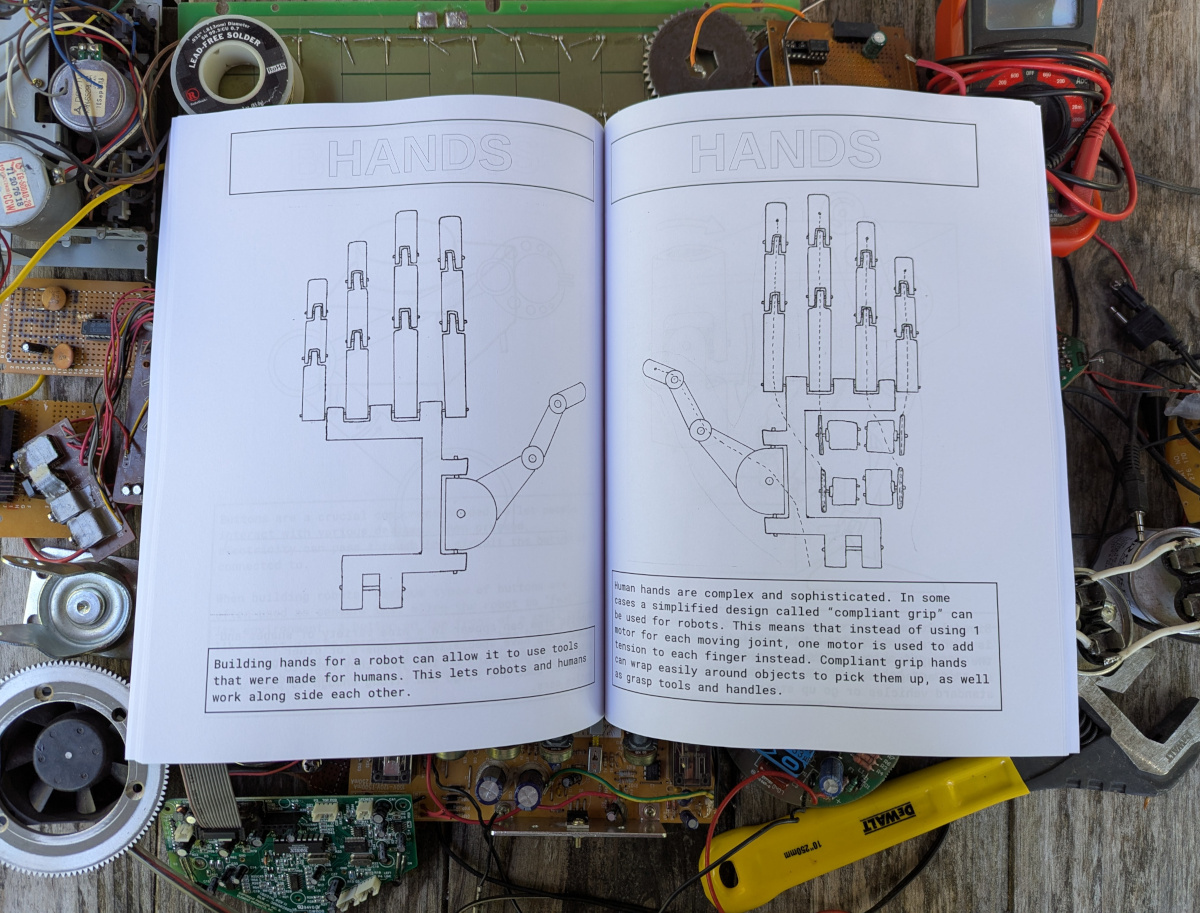
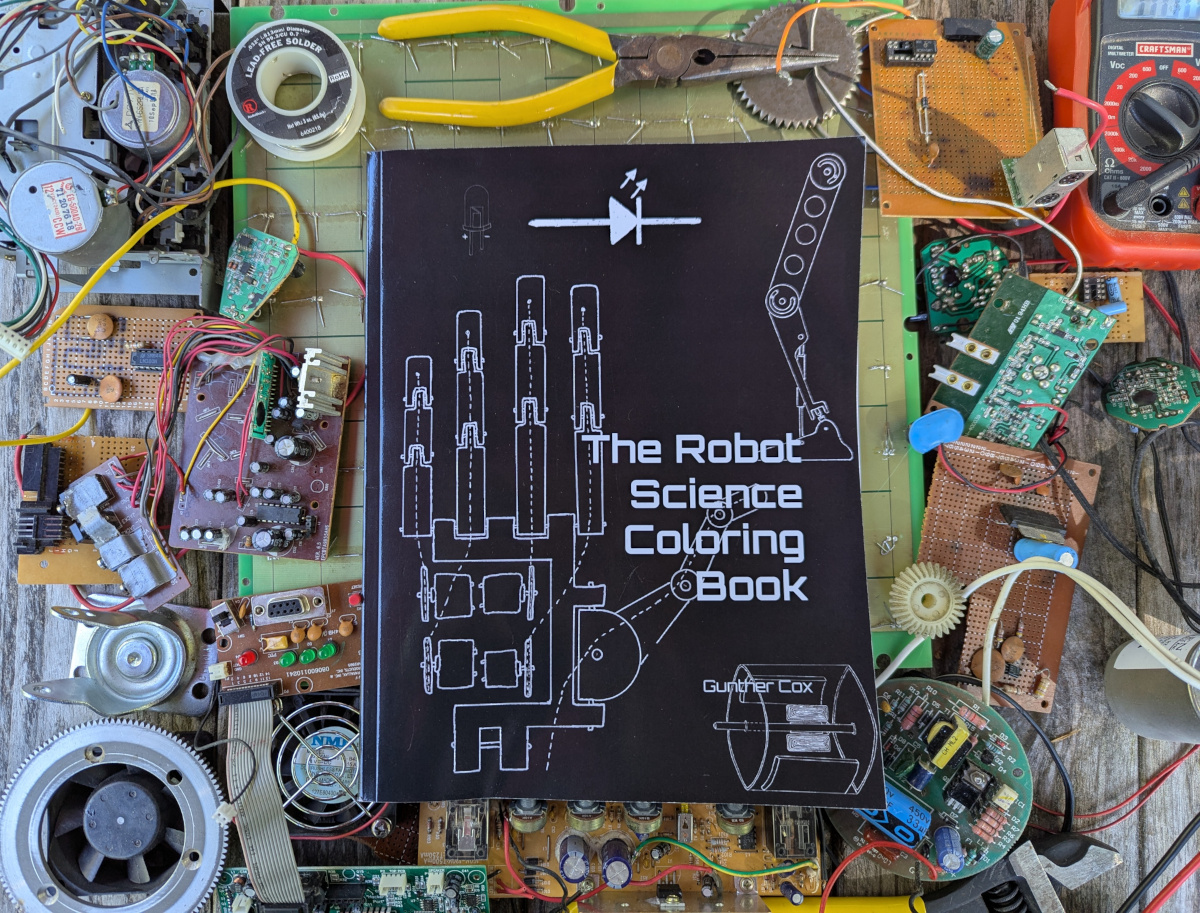
<p>I published a book! The Robot Science Coloring Book is a collection of over 40 illustrations based on my own robotics designs and other creations. In theme with some of my past projects I've included a few pages related to clean energy and recycling. The wide variety of subjects involved in robotics have always been interesting and inspiring to me, and I hope this book might play a small part in doing the same for others.</p>
<p><img src="/assets/images/posts/robot-science-coloring-book/robot-science-coloring-book-inside.jpg" alt="Cover banner for The Robot Science Coloring Book"></p>
<p><img src="/assets/images/posts/robot-science-coloring-book/robot-science-coloring-book-cover.jpg" alt="Cover banner for The Robot Science Coloring Book"></p>
<p>Publishing the book turned out to be a rewarding learning experience in its own right. The editing process involved going back through a large body of illustrations and deciding which ones were strong enough to include, which needed refinement, and how to arrange them into a cohesive collection. Formatting artwork for print introduced a whole set of considerations I hadn't thought much about before, things like resolution, bleed margins, and how print can render differently on paper than on a screen. Designing the cover was its own challenge, balancing something visually distinctive with something that would work at thumbnail scale and hold up in print.</p>
<p>I used Amazon KDP (Kindle Direct Publishing) to handle the self-publishing portion of the work. It made the overall process accessible without requiring a traditional publisher, and the ability to order proof copies before approving the final print run was particularly useful. If you've ever thought about putting together a book of your own work, I'd encourage you to give it a try. The barrier to entry is lower than it used to be, and there's real satisfaction in holding a finished copy in your hands.</p>
<p>Available on Amazon:
<a href="https://amzn.to/4tzNXuF">https://amzn.to/4tzNXuF</a></p>
]]></content>
  </entry>
  
  <entry>
    <title>A Digital Museum</title>
    <link href="https://gunthercox.com/posts/digital-museum/"/>
    <updated>2025-02-16T00:00:00Z</updated>
    <id>https://gunthercox.com/posts/digital-museum/</id>
    <summary>What would you put in a digital museum? 3D models, high-resolution scans, an augmented reality planetarium?</summary>
    <content type="html"><![CDATA[<p><img src="/assets/images/posts/digital-museum/digital-museum.png" alt="Digital museum screenshot"></p>
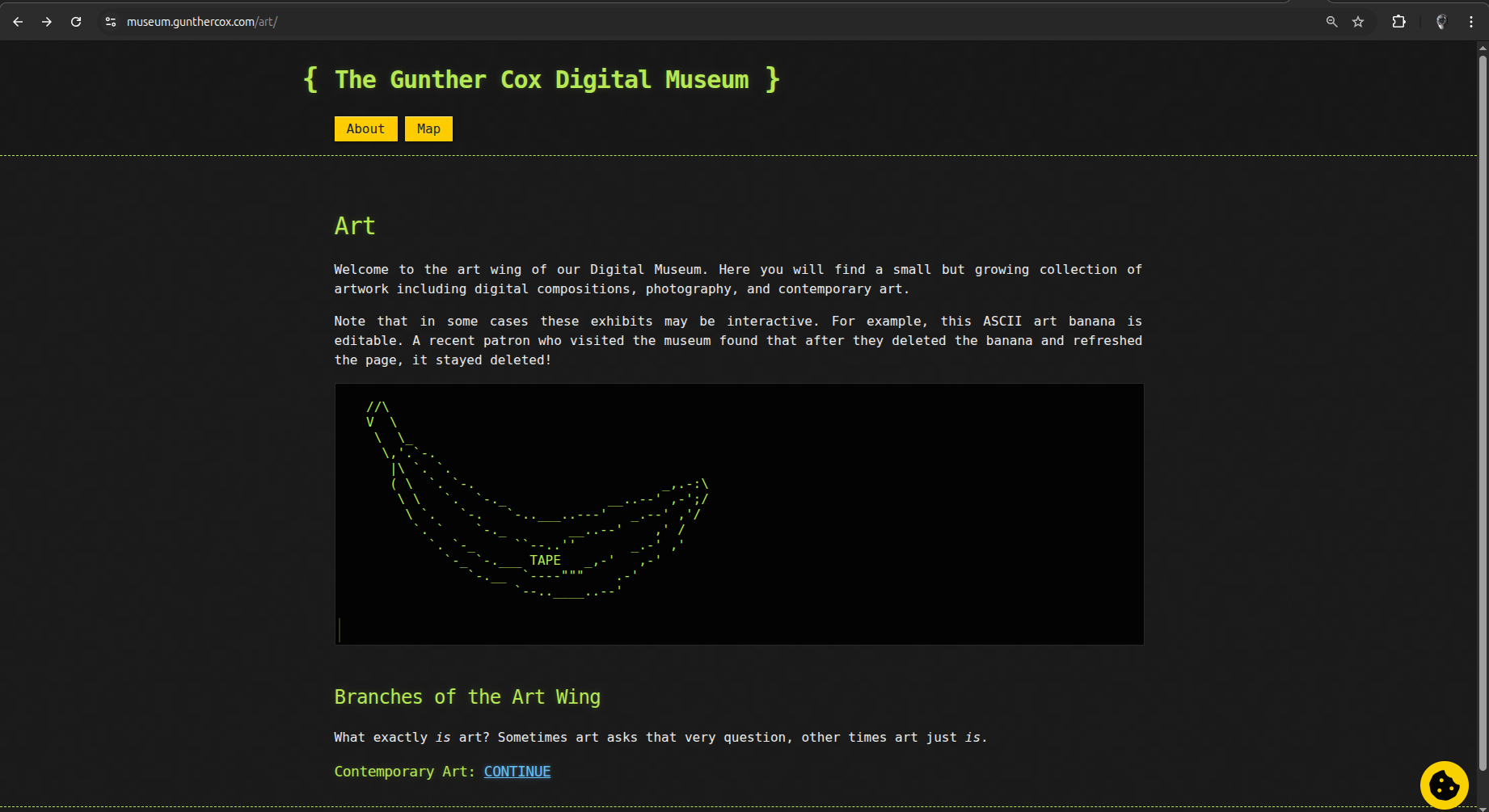
<p>I started building a digital museum, and I have some questions about what belongs in one.</p>
<p>What would you put in it? 3D models, high-resolution scans, an augmented reality planetarium?</p>
<p>Working in technology, we constantly talk about design patterns, interface choices, and usability. Yet we've reached a point where these patterns are deployed at a scale that has direct, observable effects on culture itself. It's not far from the realm of possibility that art, ideas, and shared culture might eventually atrophy into a brief moment of seeing a picture and tapping &quot;like.&quot;</p>
<p>The museum is my attempt to work in step with an inescapable fact: there is a digital component to nearly every action we take. I'm not suggesting this is inherently bad or that we should leave our devices behind and head out into nature (which you may very well find me doing from time to time). Rather, technology is a necessary, if not inevitable, part of modern life. The question is what we build with it.</p>
<p>So why a museum, rather than a blog, an Instagram feed, or a Patreon? The last few years have made me think seriously about the significance of recording contemporary events, and about rethinking the architecture of how that record is made available.</p>
<p>One collection I'd like to add is an album of first-hand photos my wife and I gathered starting in 2020 documenting the COVID-19 pandemic: expanses of empty grocery store shelves, pallets of hand sanitizer, public postings and signage. Paired with written accounts of experiences like remote work. These images could serve as primary sources for near and future historians. The period we're living through will likely be examined someday the way we now examine the Industrial Revolution: a mix of profound transformation and significant cost.</p>
<p>As for my original question... what would you put in a digital museum? There are no wrong answers. It could be photography, accounts of life events, music, or any number of subjects organized according to your own vision as curator. I encourage others to build their own. Or, if you feel inclined, mine is currently accepting submissions.</p>
<p><a href="https://museum.gunthercox.com">https://museum.gunthercox.com</a></p>
]]></content>
  </entry>
  
  <entry>
    <title>Building a Photobooth</title>
    <link href="https://gunthercox.com/posts/wedding-photobooth/"/>
    <updated>2024-11-22T00:00:00Z</updated>
    <id>https://gunthercox.com/posts/wedding-photobooth/</id>
    <summary>For our October wedding, I built a Raspberry Pi-powered photobooth from scratch rather than renting one. Here&#39;s how it came together.</summary>
    <content type="html"><![CDATA[<p><img src="/assets/images/posts/wedding-photobooth/photobooth.jpg" alt="Photo booth"></p>
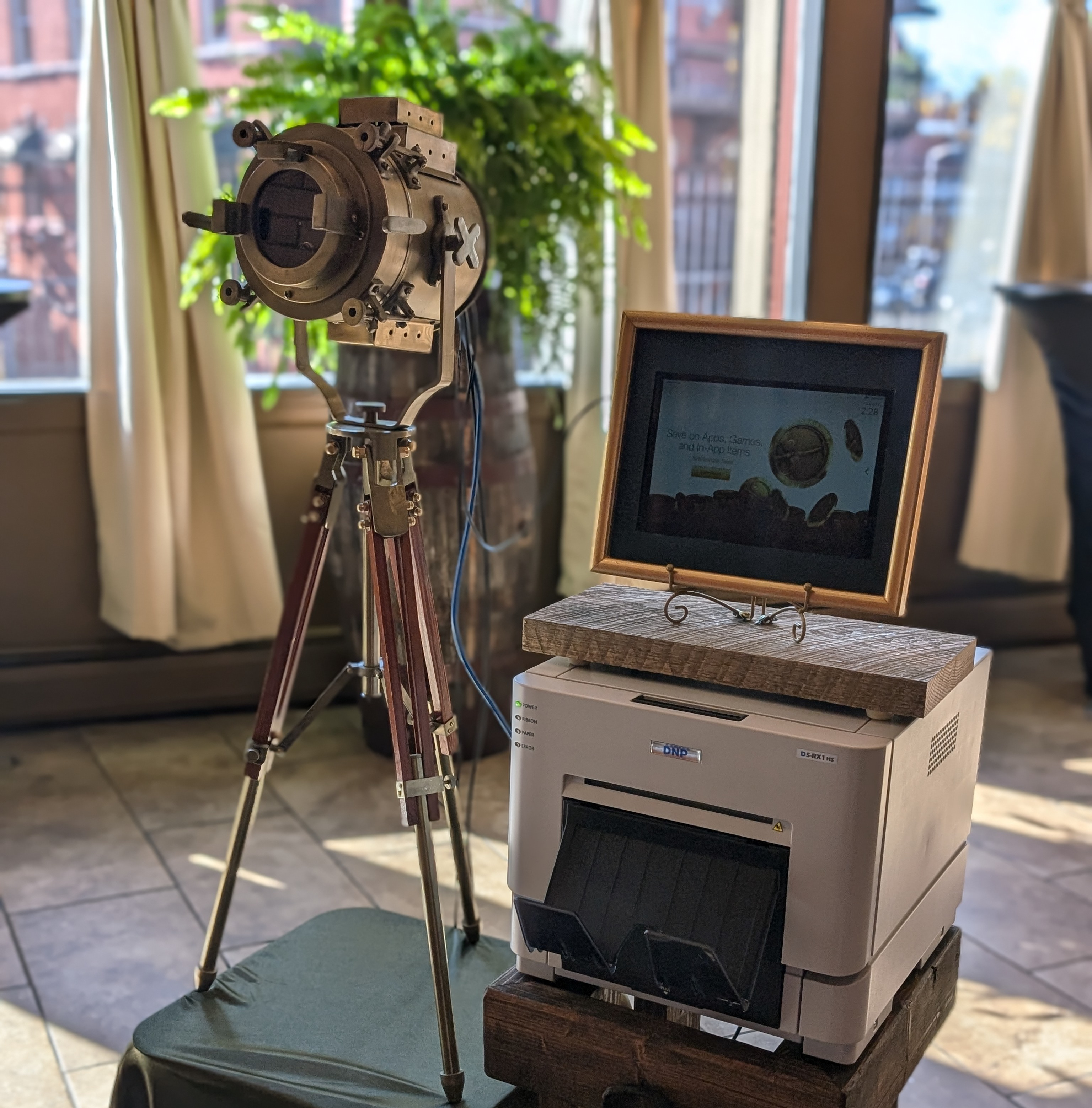
<p>My wife and I got married this past October, and somewhere along the way in the planning process I decided to build our photobooth from scratch rather than rent one.</p>
<h2>The Hardware</h2>
<p>The photobooth runs on a Raspberry Pi, which handles the workload of image capture via a connected camera, running a local web server, and managing the session flow. Guests interact with it through a touchscreen tablet that connects locally, loading the web interface the Pi serves directly.</p>
<p>This design kept the physical footprint simple. The Pi tucks cleanly into the camera enclosure, and the tablet provides a large, legible interface.</p>
<h2>The Interface</h2>
<p>The interface was designed around a single constraint: anyone should be able to use it without instructions. Guests would range from younger siblings to grandparents, and we wouldn't be able to attend to it ourselves consistently throughout the evening.</p>
<p>Getting things right took several rounds of testing with friends and family before the wedding. Each session revealed something: labels that weren't clear or buttons that weren't obviously tappable. The initial flow I had designed made sense to me, but left opportunities where confusion could be eliminated for others. The interface went through a few significant revisions based on that feedback, and by the time the wedding arrived it held up well under unsupervised use.</p>
<h2>An Experiment Worth Running</h2>
<p>Renting a photobooth was an option. It would have been less work, and the cost difference wasn't dramatic. But my wife and I regularly pitch &quot;possible future business ideas&quot; to each other. Everything from home-based pottery studios to apps and digital services. Something between curiosity and excitement made me lean towards making a fully custom experience was the right move for us to make.</p>
<p>There was also something fitting about it. Any rented booth would have been a highlight regardless, but one built specifically for our wedding, one built and running custom software written by us, and that could be iterated on... That distinction mattered. A from-scratch photobooth feels like a signature move (the only thing that might have topped it would have been figuring out how to get <a href="https://en.wikipedia.org/wiki/Salvius_(robot)">Salvius</a> ordained to perform the ceremony, but getting a robot licensed to officiate is a bit more challenging than it sounds).</p>
<p>Whether this evolves into a future service we offer, or stays a one-day success story is still an open question. As an experiment in building something real, with real guests and a very hard deadline, it was worth every effort in my opinion.</p>
<h2>Now Available for Rent</h2>
<p>Our experiment didn't end at the reception. The photobooth remains available for others to rent for their own events. You can browse details and reach out to us for availability at <a href="https://photobooth.gunthercox.com/">photobooth.gunthercox.com</a>.</p>
]]></content>
  </entry>
  
  <entry>
    <title>Anomaly Detection as a Basis for Physical Security Monitoring</title>
    <link href="https://gunthercox.com/posts/art-and-security/"/>
    <updated>2021-08-21T00:00:00Z</updated>
    <id>https://gunthercox.com/posts/art-and-security/</id>
    <summary>How I built a sensor platform that uses a time-series autoencoder to detect unusual patterns across temperature, light, sound, and motion data.</summary>
    <content type="html"><![CDATA[<p><img src="/assets/images/posts/muse.jpg" alt="Lasers"></p>
<p>A basic security system works using the same common approach: it watches for specific conditions such as motion in a defined zone, a door or window changing from open to closed, or an impact against a surface greater than a defined threshold. An alert is triggered when a condition is met. That works well enough for the scenarios the manufacturer anticipated, but it's a rigid model. It doesn't get improve over time, it doesn't understand context, and it can't reason about patterns that weren't pre-programmed into it.</p>
<p>I wanted to try building something different. Rather than creating a system around a fixed set of triggers, I wanted to build one that learned what &quot;normal&quot; looked like and flagged deviations from that. The core idea is anomaly detection: instead of comparing observations against a rulebook, you compare them against a statistical model of expected behavior.</p>
<h2>The Hardware</h2>
<p>The system runs on a Raspberry Pi, which is a reasonable fit for this kind of always-on workload. It's low power, runs Linux, and has well-supported GPIO and I2C interfaces for connecting sensors directly.</p>
<p>The sensor array covers several environmental dimensions. Temperature and humidity are tracked via an I2C sensor, useful both as environmental data and as a secondary signal (a door left open in winter shows up as a temperature drift over time). A light sensor captures ambient light levels, which form a reliable behavioral fingerprint: lights turning on and off follow patterns that reflect when people are home and which rooms are in use. A sound sensor measures decibel levels (not enough data to recreate an audio recording, just a continuous reading of acoustic presence in the space). A Raspberry Pi camera module provides the visual layer.</p>
<p>Power continuity matters for a security system in ways it doesn't for most other Raspberry Pi projects. A UPS HAT handles this, keeping the system running through power interruptions and exposing battery state (voltage, current, charge level, thermal status) over I2C. The software tracks three power modes (charging, fully charged, battery powered) and adjusts accordingly. Fan speed is also automated based on CPU temperature to keep the hardware stable under sustained load.</p>
<h2>Software Architecture</h2>
<p>The application is built on Django with Django REST Framework, which provides a local REST API for querying state and managing configuration. Uvicorn runs it as an ASGI service. SQLite handles local persistence for small devices like this better than more robust databases like PosgresSQL.</p>
<p>The more interesting coordination layer is Redis. Rather than a monolithic process, the system is broken into several independent services (supervised by Supervisord) that communicate via Redis pub/sub channels. The camera service publishes motion and face detection events on named channels; other sensor events follow a similar namespace pattern. This means a crash in the camera service doesn't affect the API or sensor polling, and any service can be independently restarted without taking down the system. It's a pattern worth considering for any embedded system where reliability matters more than simplicity.</p>
<p>Each detected event is modeled with a namespace, a metadata payload, a timestamp, and an expiration (when storage space is limited, we can make the decision that after a certain amount of time some data is no longer relevant or worth keeping). Events are assigned a severity level on a five-point scale computed from context at creation time. A debouncing mechanism where by using a Redis cache keyed on an MD5 hash of the event signature, helping to mitigate cases where the same condition for an event type within a small enough time frame generates repeated alerts.</p>
<h2>Computer Vision</h2>
<p>The camera service uses OpenCV. The motion detection implementation for this setup works through frame differencing: consecutive frames are compared, morphological operations clean up noise, and contour analysis isolates the largest region of movement in the frame. Face detection runs Haar cascade classifiers over the same frames when motion is present.</p>
<p>Running OpenCV on a Raspberry Pi is fairly easy to set up. Using a headless build avoids pulling in unnecessary display dependencies and helps keep memory usage more manageable. Frame resolution and capture rate need to be tuned to what the hardware can sustain continuously, meaning detection quality and CPU budget are in direct tension, and finding the right balance takes a bit of testing.</p>
<p><strong>Note:</strong>  Extreme gradual changes could bypass this system of measurement (ex. moving extremely slowly in front of the camera, or gradually increasing ambient db levels). Outside of this experiment, the principle of fixed thresholds used by simple alarms still has some merit as a method to mitigate this issue.</p>
<h2>Additional Data Sources</h2>
<p>Aside from sensors, local network is also rich with signals that can be monitored. For example, the system periodically scans the local network, maps discovered device MAC addresses to manufacturers, and maintains a record of known devices. An unrecognized device appearing on the network generates an alert. It's a blunt instrument by itself, but as one signal among many it provides useful coverage, particularly for detecting unexpected access points or unfamiliar devices.</p>
<p>For self-health monitoring, device values are also captured such as CPU temperature, memory usage, disk I/O, and network I/O. This telemetry is all added into the historical record that the anomaly model later trains on.</p>
<h2>Anomaly Detection with an Autoencoder</h2>
<p>Once you have continuous multivariate time-series data such as light, sound, temperature, and motion event frequency sampled over weeks, you have the ingredients for a more principled approach to detection.</p>
<p>The model is a time-series autoencoder. The architecture takes a fixed-length window of sensor readings as input, compresses it through an encoder into a lower-dimensional latent representation, then reconstructs the original sequence through a decoder. The model is trained exclusively on normal data (anomalous events having been manually labeled in the initial batch of data, and confirmed or dismissed in alerts for later iterations).  After training, reconstruction error serves as the anomaly score. The higher the error on a given window of sensor readings, the less it resembles patterns the model learned to expect.</p>
<p>This has a few advantages over threshold-based rules. It captures correlations across sensors: a spike in sound level alone might be unremarkable, but the same spike with no corresponding change in motion or light at 2am is a different reading entirely. It also adapts to the actual patterns of the space rather than forcing a generic baseline onto a specific environment. Periodic retraining handles drift: changing daylight patterns across seasons, schedule changes, or any significant shift in household routines.</p>
<p>One thing worth being direct about: you need enough representative normal data before the model is useful. There's a ramp-up period after deployment before detection becomes reliable. The system tracks when reconstruction error has been elevated across an extended window, which serves as a proxy for systematic drift and a prompt to retrain.</p>
<h2>Some Observations</h2>
<p>The most useful thing this project demonstrates is how security monitoring is fundamentally a data problem. The ability to sense an environment, whether physical or virtual, is the foundation of any higher level of analysis. Raw data must be shaped into observability, and observability must be refined with actionability. The value is create by what you do with your data stream; how you model it, what patterns you surface, and how you distinguish signal from noise.</p>
<p>Owning the full pipeline from sensor to storage to model keeps all of that under your control. There's no vendor deciding what events are worth surfacing or how long your history is retained. That control comes with the responsibility of maintaining the system, but for something this close to home infrastructure, the tradeoff is worth it.</p>
<p>One final observation is that there is a beautiful continuous flow to the captured signals of daily life. The arc of light levels curve slowly as the sun rises and sets each day, ambient sound dips during the night and afternoon but swoops upward in the morning and evening while preparations for the day's work or the evening's meal are undergone. These signals of our daily lives paint a picture of both our presence and our absence within the spaces we inhabit.</p>
]]></content>
  </entry>
  
  <entry>
    <title>A Chicken Meeting</title>
    <link href="https://gunthercox.com/posts/a-chicken-meeting/"/>
    <updated>2016-05-09T00:00:00Z</updated>
    <id>https://gunthercox.com/posts/a-chicken-meeting/</id>
    <summary>It looks like I walked in during an important meeting. I wonder what the hens are plotting this time?</summary>
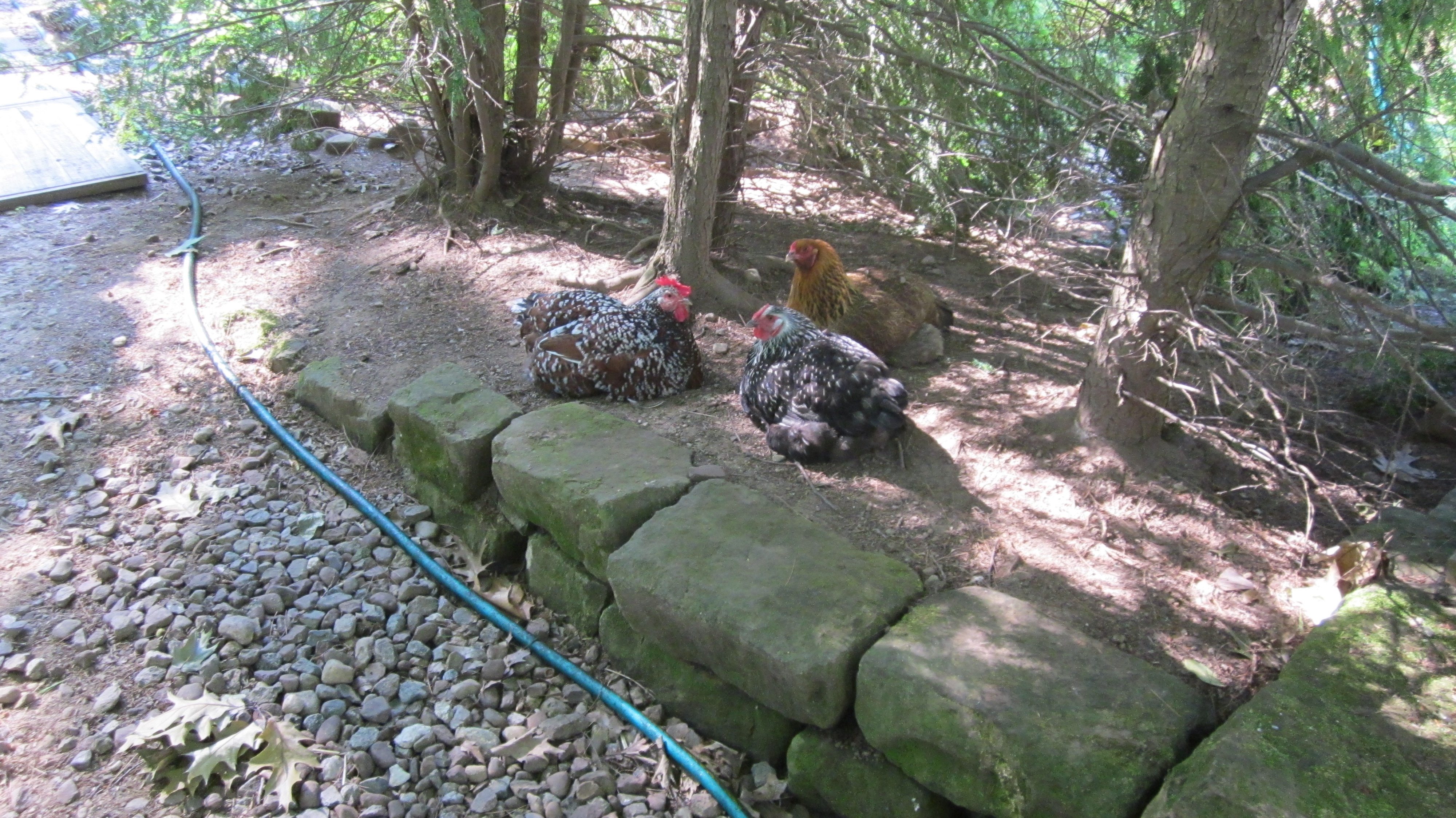
    <content type="html"><![CDATA[<p><img src="/assets/images/posts/a-chicken-meeting/IMG_2266.JPG" alt="A Chicken Meeting"></p>
<p>It looks like I walked in during an important meeting. I wonder what the hens are plotting this time?</p>
]]></content>
  </entry>
  
  <entry>
    <title>Potato Towers</title>
    <link href="https://gunthercox.com/posts/potato-towers/"/>
    <updated>2016-05-09T00:00:00Z</updated>
    <id>https://gunthercox.com/posts/potato-towers/</id>
    <summary>Growing potatoes in towers is a great way to save space and efficiently manage small potato crops. This summer I tried out a couple variations of height for our potato towers.</summary>
    <content type="html"><![CDATA[<p><img src="/assets/images/posts/potato-towers/IMG_2267.JPG" alt="Potato Towers"></p>
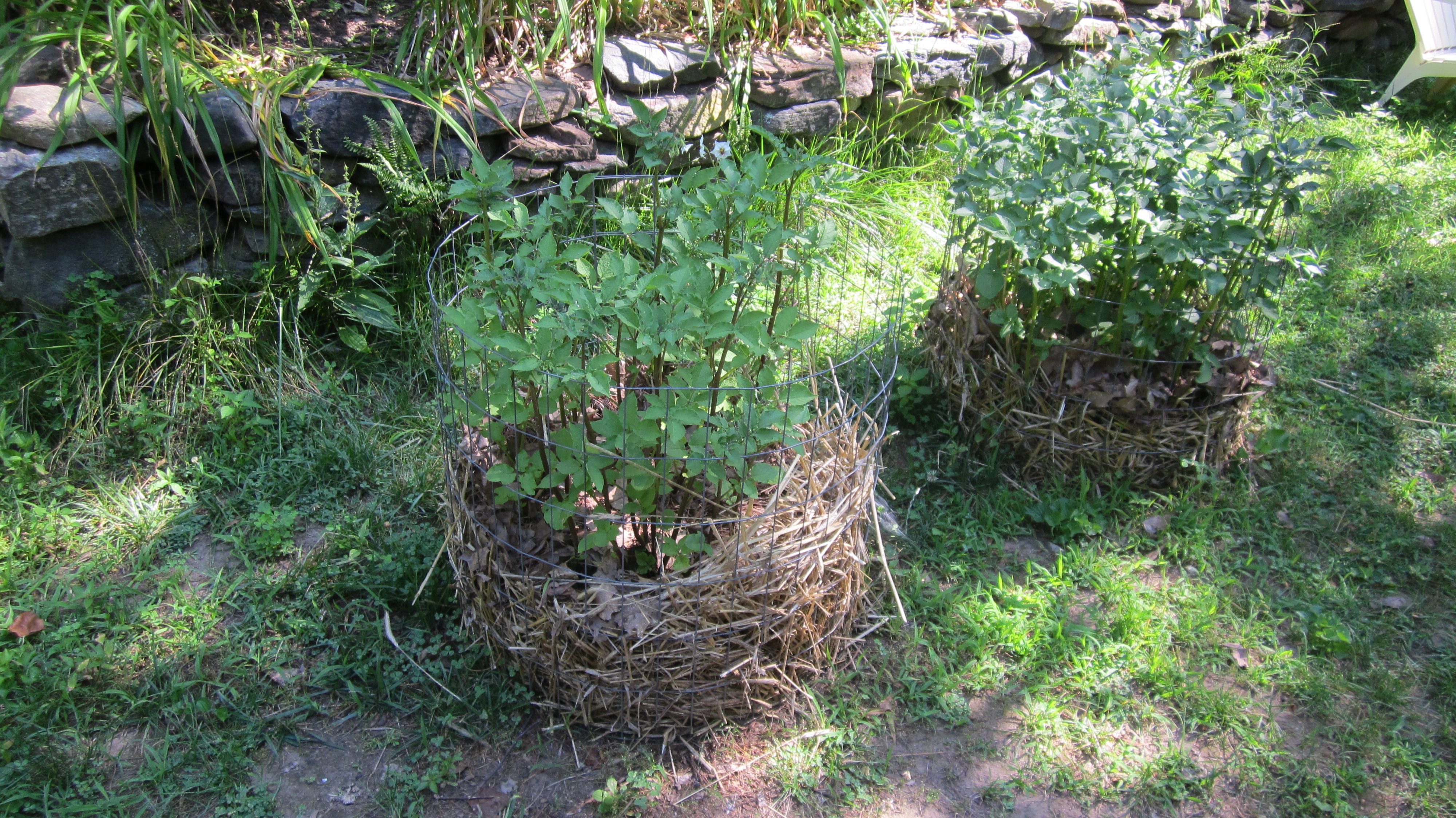
<p>Growing potatoes in towers is a great way to save space and efficiently manage small potato crops.</p>
<p><img src="/assets/images/posts/potato-towers/IMG_2302.JPG" alt=""></p>
<p>This summer I tried out a couple variations of height for our potato towers. The two smaller ones were about a foot high with additional wire to help support and protect the leaves. The smaller towers were made from a single ring of mesh fence material cut to be about two three in diameter. A layer of straw around the outside of the ring held the soil in place. Although it is not visible in the photos above, I used pine needles to cover the top of the soil in each tower. The choice to use pine needles was made simply because I was running short on straw when making these two towers.</p>
<p><img src="/assets/images/posts/potato-towers/IMG_2268.JPG" alt=""></p>
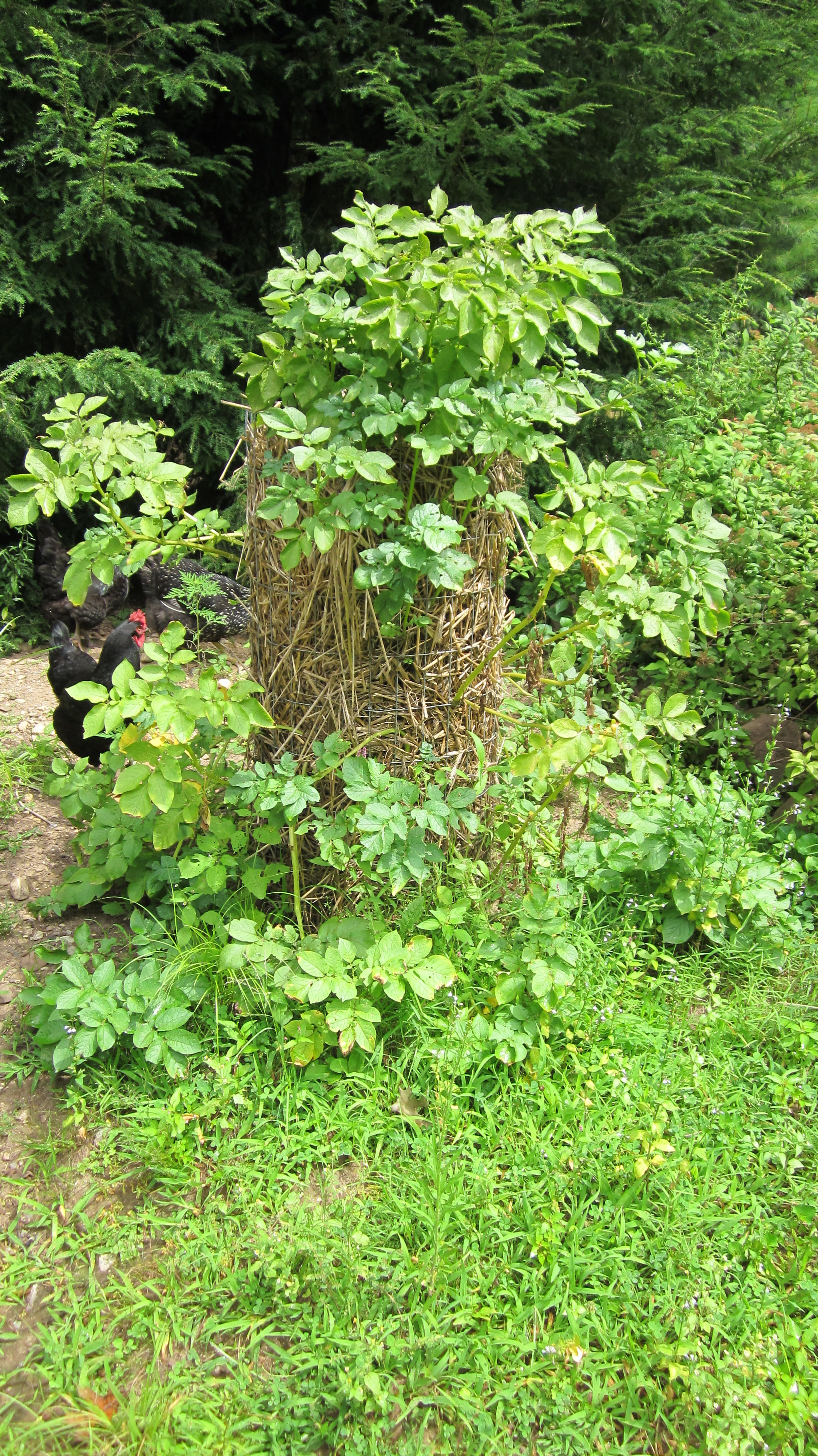
<p>The taller potato tower was about two feet in diameter and four feet high. I compressed a layer of straw between two sections of mesh fence material to make the tower. I then coiled a soaker hose down the center of the tower to make watering easier. Unlike the two smaller towers, I filled this one to the top with soil.</p>
<p><img src="/assets/images/posts/potato-towers/IMG_2315.JPG" alt=""></p>
<p>You can see some of our hens investigating the leafy tower.</p>
]]></content>
  </entry>
  
  <entry>
    <title>Setting up an Indoor Greenhouse</title>
    <link href="https://gunthercox.com/posts/setting-up-an-indoor-greenhouse/"/>
    <updated>2016-05-09T00:00:00Z</updated>
    <id>https://gunthercox.com/posts/setting-up-an-indoor-greenhouse/</id>
    <summary>I recently came across a small free greenhouse and I&#39;m excited to experiment with growing plants year round.</summary>
    <content type="html"><![CDATA[<p><img src="/assets/images/posts/setting-up-an-indoor-greenhouse/IMG_20141022_075909.jpg" alt="Setting up an indoor greenhouse"></p>
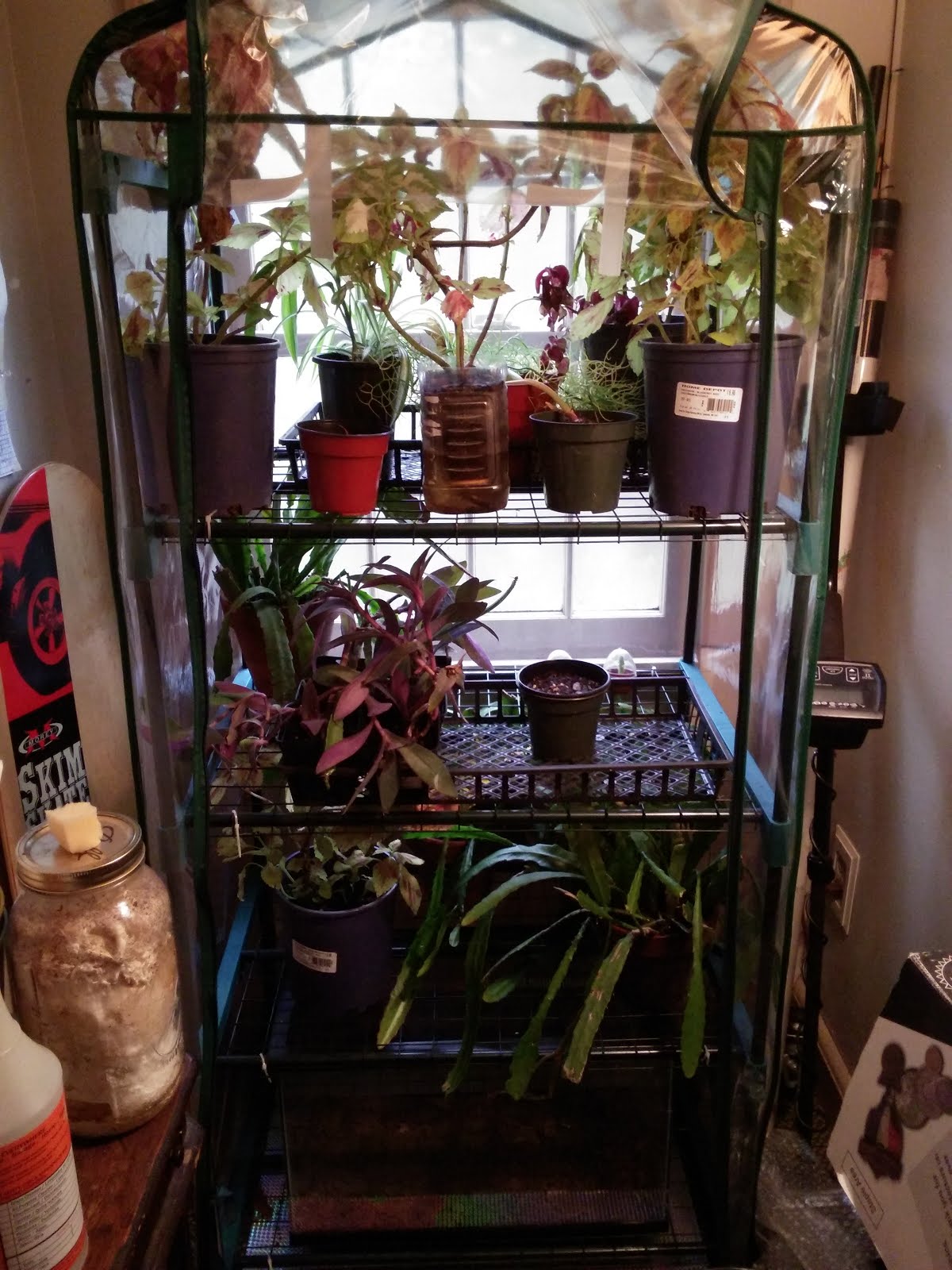
<p>I recently came across a small free greenhouse on the side of the road. I'm excited to experiment to see if I can use it to grow plants year round, and if some of my existing ones do better in it as opposed to just sitting on the windowsill.</p>
<h2>Renewable Reach</h2>
<p>In related news, I think more of my future blog posts will be related to this subject. I'm interested in writing about my ideas in regard to renewable resources and sustainable technologies.</p>
<p>I am still in the process of considering all of the different directions I can go in for future posts. For now, a few of the topics that I am considering writing about are:</p>
<ul>
<li>The benefits of regionalizing food production</li>
<li>Renewable energy sources: solar, wind, water, etc</li>
<li>Hydroponics</li>
<li>Vertical farming</li>
<li>Beekeeping</li>
<li>Potato towers</li>
<li>Automated farming</li>
</ul>
<p>These are just a few ideas based on some of the reading and research I've been doing lately.</p>
]]></content>
  </entry>
  
  <entry>
    <title>From Concept to Creation</title>
    <link href="https://gunthercox.com/posts/from-concept-to-creation/"/>
    <updated>2016-04-16T00:00:00Z</updated>
    <id>https://gunthercox.com/posts/from-concept-to-creation/</id>
    <summary>How do you come up with ideas for a hackathon? Innovation on the spot is hard. Sometimes good ideas strike at opportune times but often generating a concept for something interesting or useful can be…</summary>
    <content type="html"><![CDATA[<p><img src="/assets/images/posts/from-concept-to-creation/banner.jpg" alt="From concept to creation"></p>
<p><em>How do you come up with ideas for a hackathon?</em></p>
<p>Innovation on the spot is hard. Sometimes good ideas strike at opportune times but often generating a concept for something interesting or useful can be quite difficult. It can be a lot of fun to play around with random concepts that might not succeed in the real world. Why not aim to create an app for a free driverless car taxi service that gets its funding by taking routes that have it's passengers pass by the billboards of the companies that sponsor the ride? Crazy, random ideas can often inspire creations that have a practical application.</p>
<p>I would say that there are two really good approaches you can use to plan for a hackathon.</p>
<p><strong>Two approaches:</strong></p>
<ol>
<li>Come up with an idea ahead of time. Plan it out and stick to it.</li>
<li>Base your project on the resources provided by sponsors.</li>
</ol>
<p>Having a solid plan ahead of time is a great way to succeed. If you know your sponsors and what criteria you will be judged on you can plan a project that meets these requirements. You can always modify your plan later if you come up with other ideas at the hackathon but having a solidly planned foundation for your project will save you a lot of time in the beginning.</p>
<p>I have seen a number of conglomerations succeed at several hackathons. These are projects that may use several sponsor's APIs and/or hardware. These are usually very interesting and can be quite impressive when done right. The only thing you will need to watch out for is making sure you don't create a monstrous concatenation of joined resources that achieves nothing. Something like that may be fun to build, to learn several companies' APIs, but it is not likely to win any formal awards.</p>
<p>Like anything, coming up with an idea for a hackathon is about having fun. Focus on what interests you and try to think about any skills you would like to learn.</p>
]]></content>
  </entry>
  
  <entry>
    <title>Hiking at Skinner State Forrest</title>
    <link href="https://gunthercox.com/posts/hiking-at-skinner-state-forrest/"/>
    <updated>2016-03-21T00:00:00Z</updated>
    <id>https://gunthercox.com/posts/hiking-at-skinner-state-forrest/</id>
    <summary>Yesterday I went hiking with some friends at Skinner State Park in Amherst Massachusetts. This was a great hike that I would gladly do again.</summary>
    <content type="html"><![CDATA[<p><img src="/assets/images/posts/hiking-at-skinner-state-forrest/IMG_2915.JPG" alt="Joseph Allen Skinner State Park"></p>
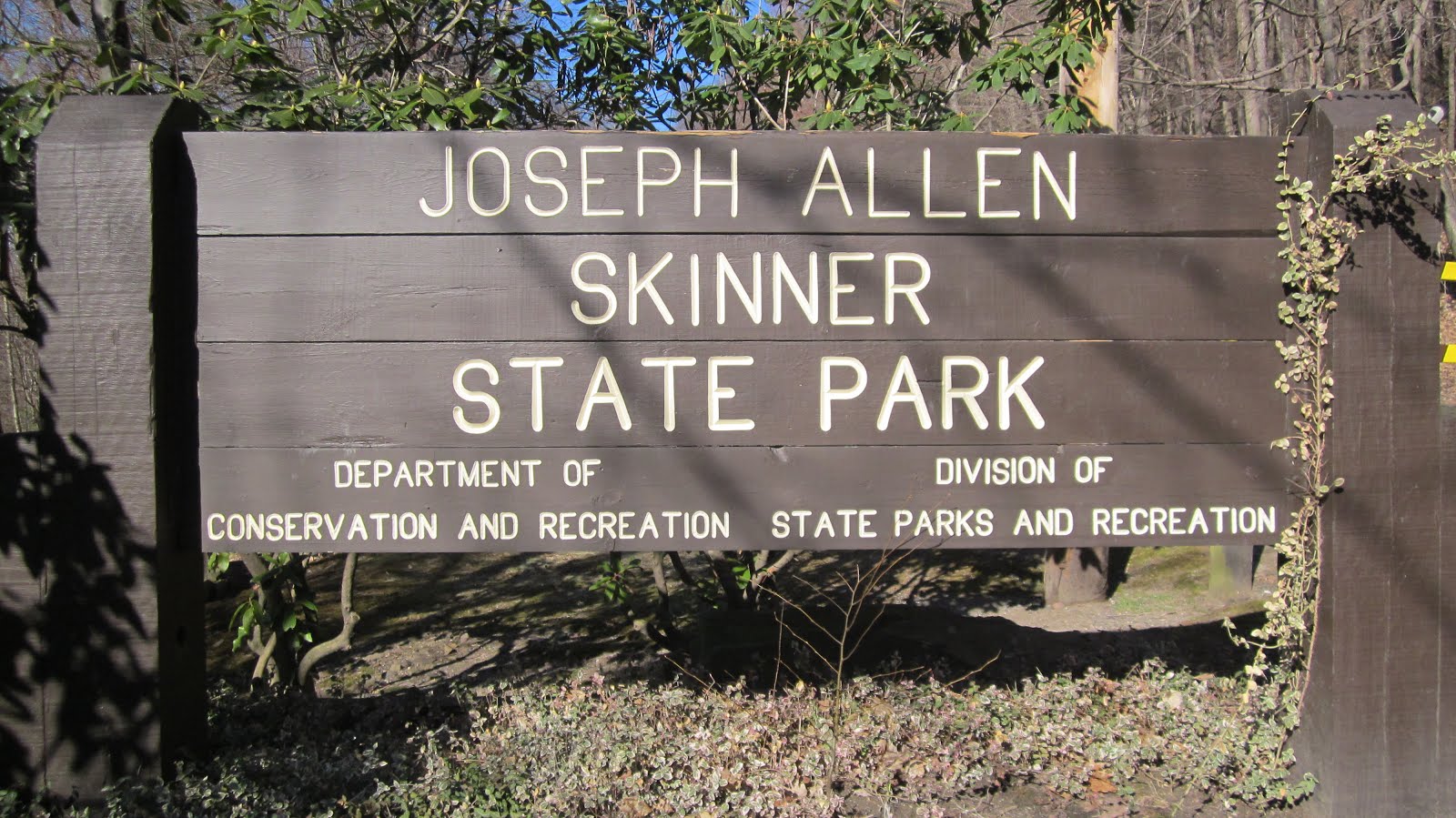
<p>Yesterday I went hiking with some friends at Skinner State Park in Amherst Massachusetts. This was a great hike that I would gladly do again. There are so many trails in this area that it would be quite easy to go here several times without running out of paths to explore.</p>
<p><img src="/assets/images/posts/hiking-at-skinner-state-forrest/IMG_2880.JPG" alt=""></p>
<p><img src="/assets/images/posts/hiking-at-skinner-state-forrest/IMG_2848.JPG" alt=""></p>
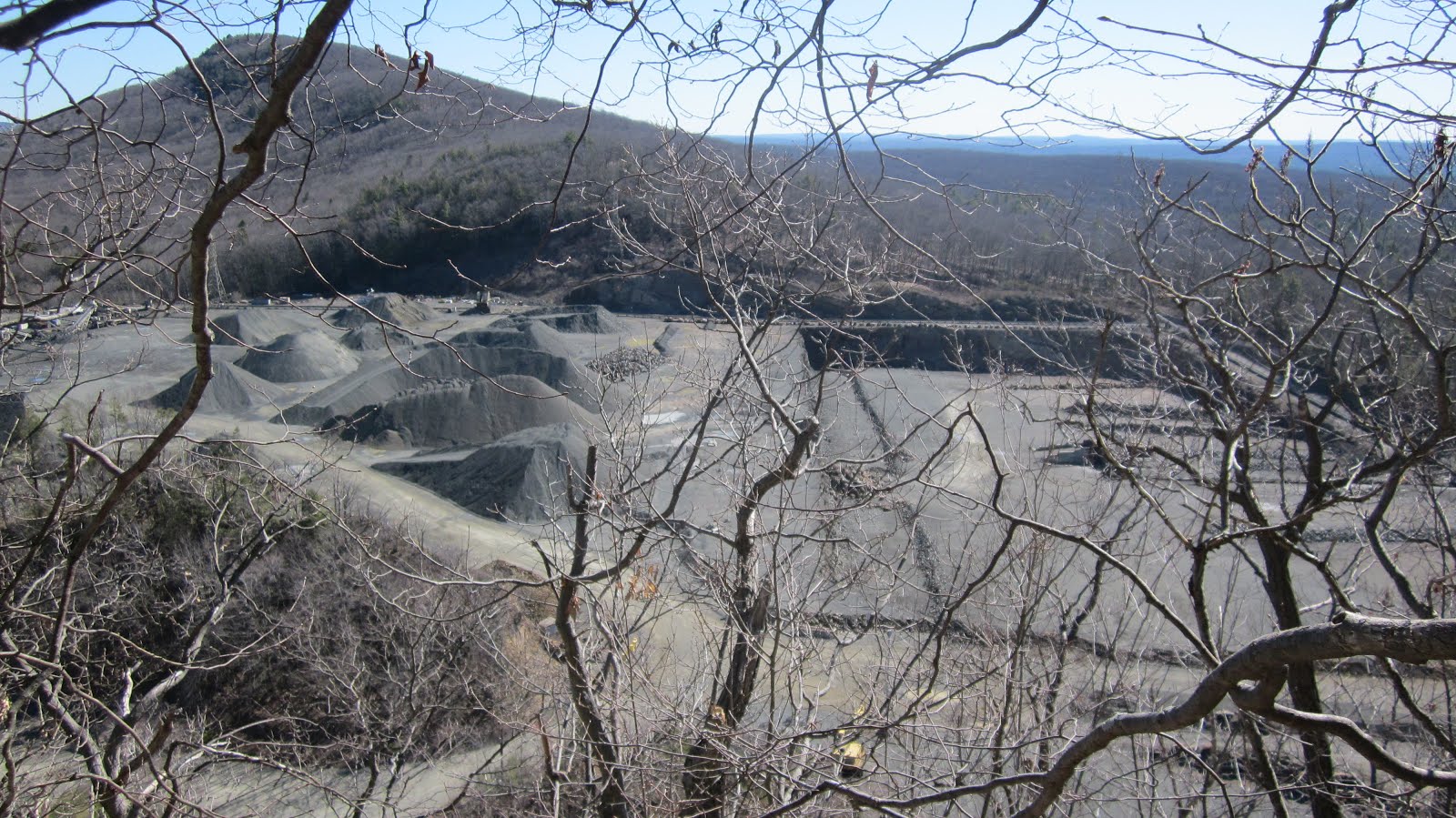
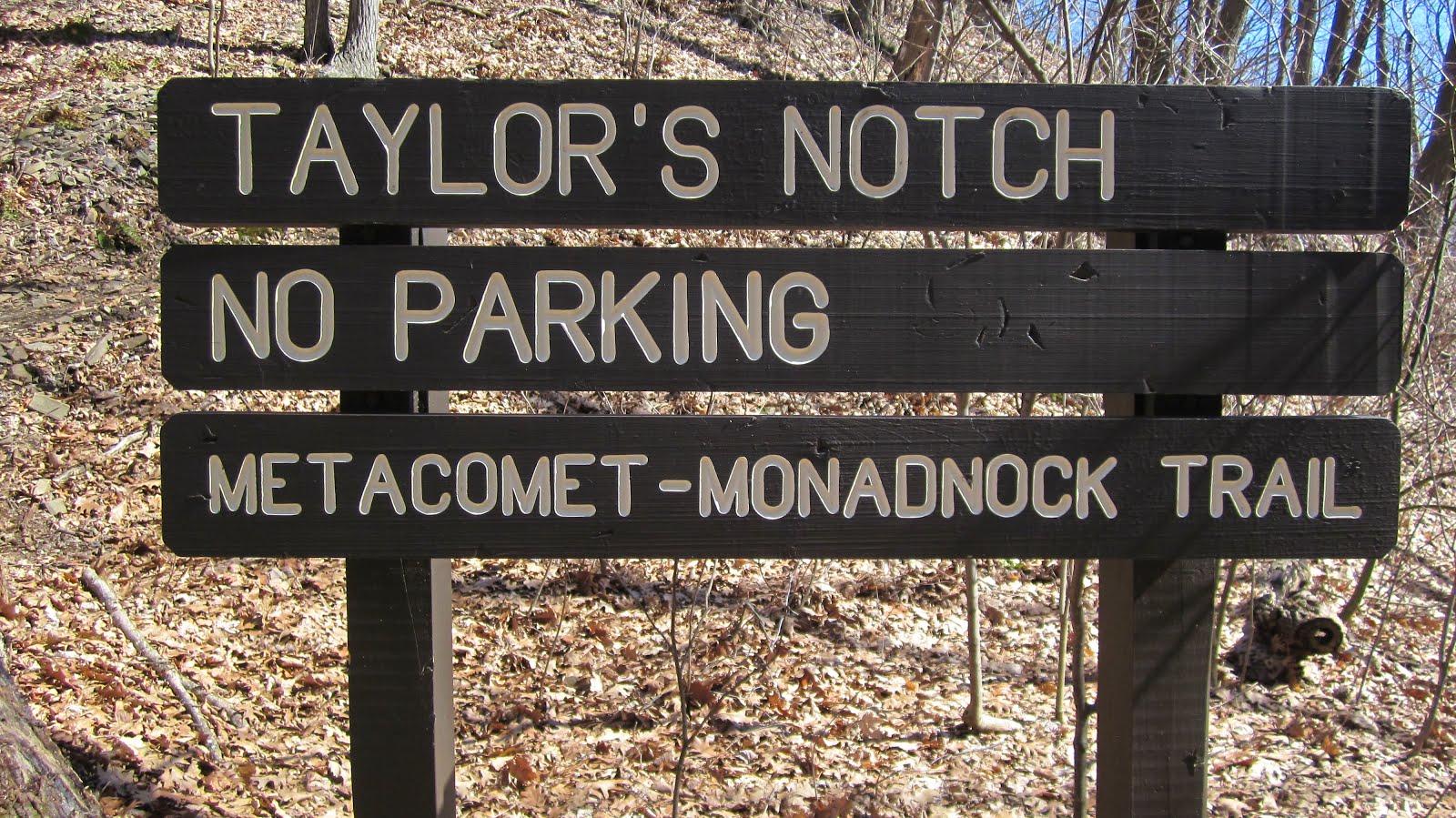
<p>We started off by parking in the Notch parking area. The entrance for Skinner State Forrest is located across the street. After hiking for a bit we could see the quarry across the street.</p>
<p><img src="/assets/images/posts/hiking-at-skinner-state-forrest/IMG_2899.JPG" alt=""></p>
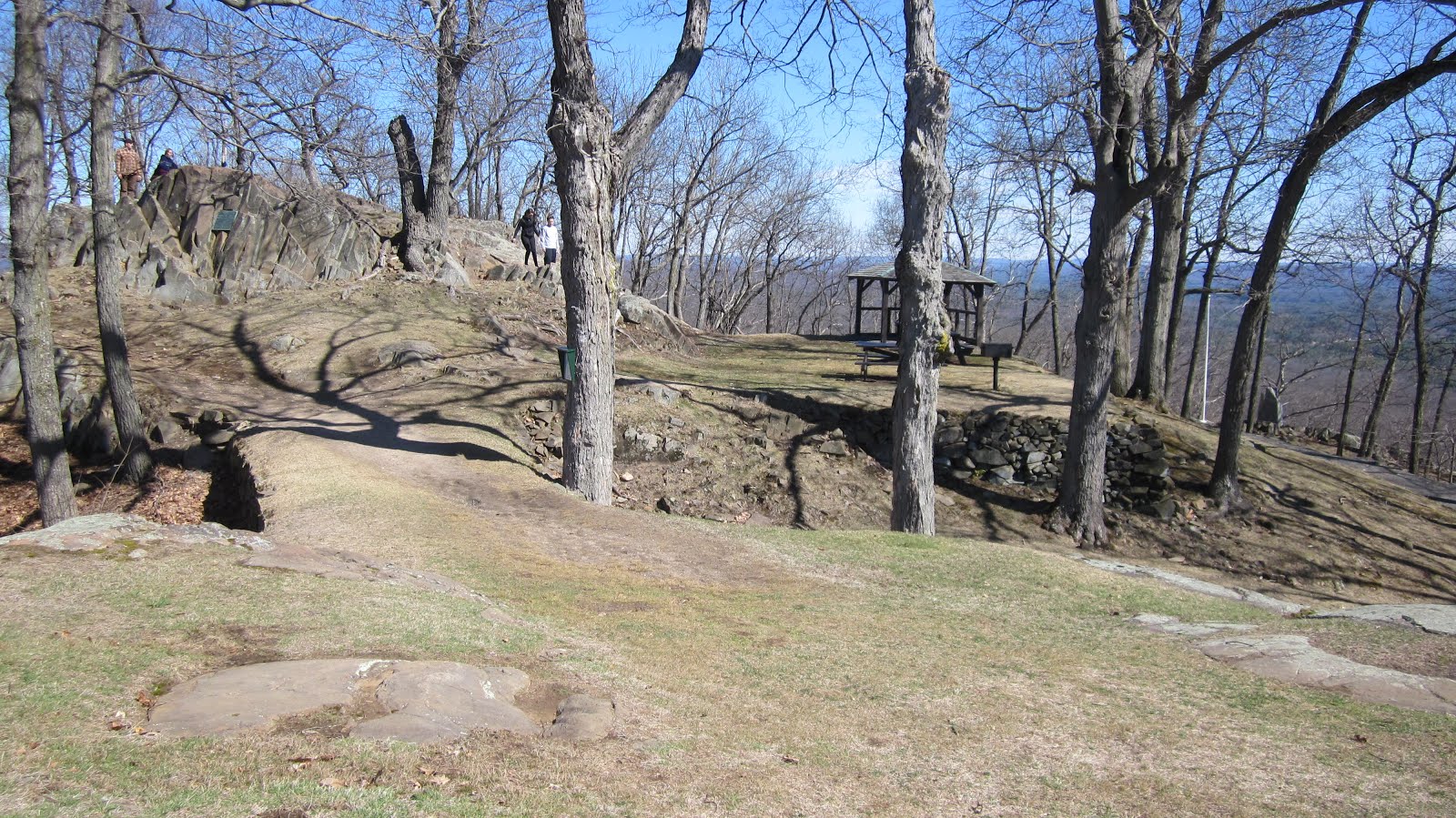
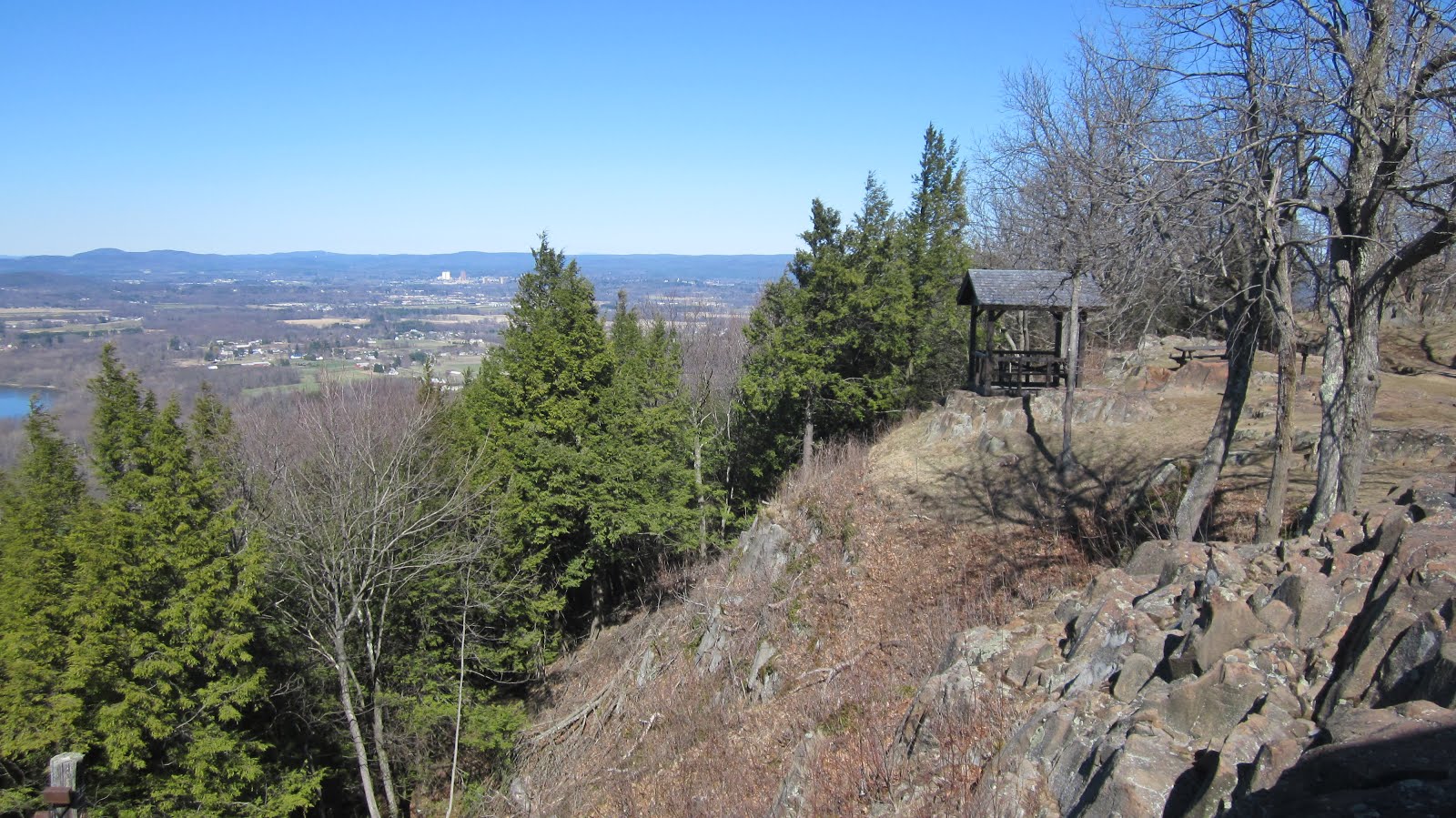
<p>The view from the peak is great. There is a small park-like area around the summit house. This would be a fantastic area to bring a lunch for a picnic. Apparently the summit house is opened for concerts in the summer.</p>
<p><img src="/assets/images/posts/hiking-at-skinner-state-forrest/IMG_2896.JPG" alt=""></p>
<p><img src="/assets/images/posts/hiking-at-skinner-state-forrest/IMG_2910.JPG" alt="The Devil's Football"></p>
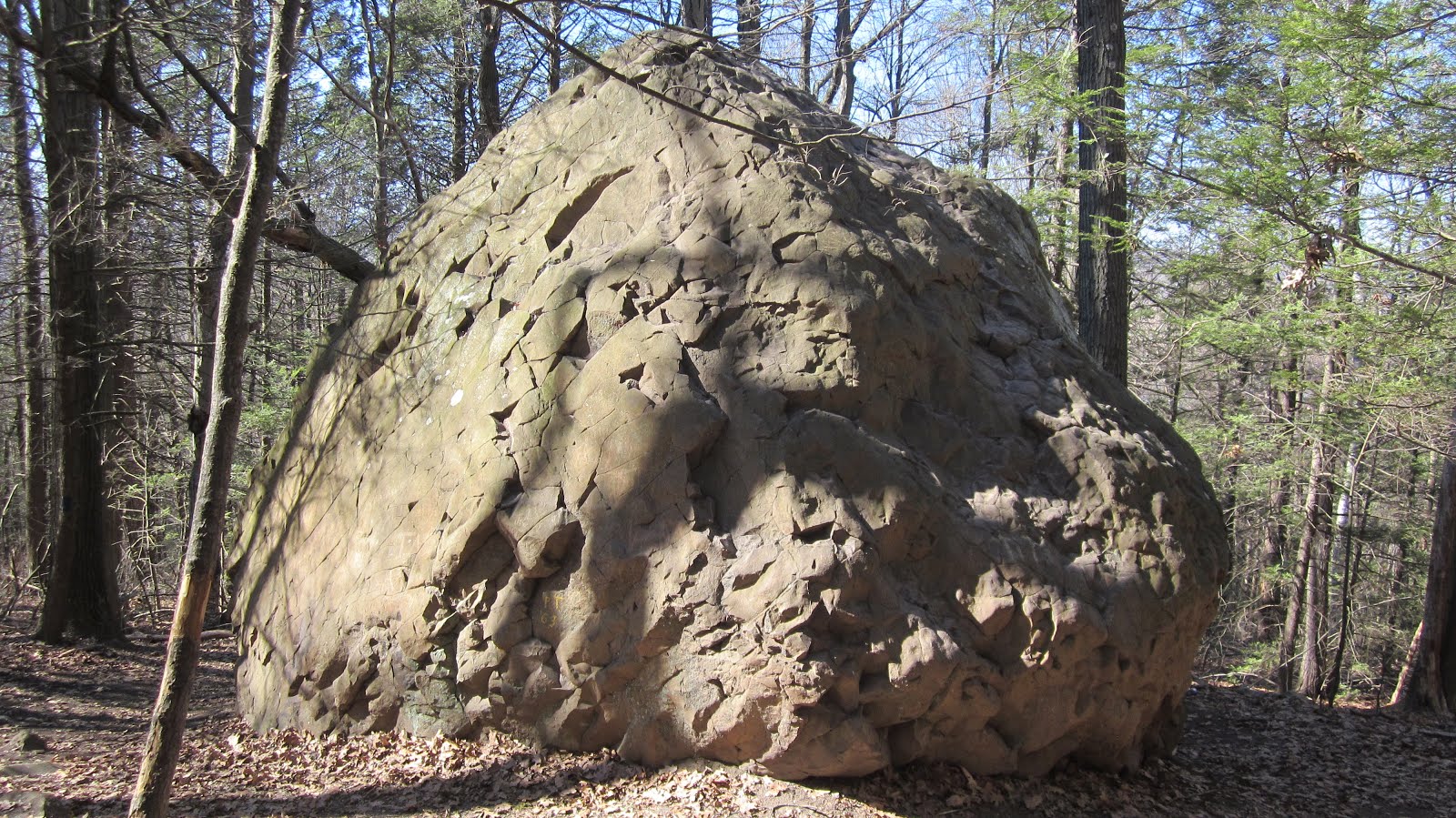
<p>After we reached the summit, we decided to hike down a shorter side trail to see the devil's football. The devil's football is a very large rock sitting alone in the middle of the woods. It looks just as if it landed here after being kicked from some distance away. Looking at it, it appears likely that the boulder was originally transported from higher up the mountain, likely via glacial movement.</p>
<p><img src="/assets/images/posts/hiking-at-skinner-state-forrest/IMG_2918.JPG" alt="Flood levels"></p>
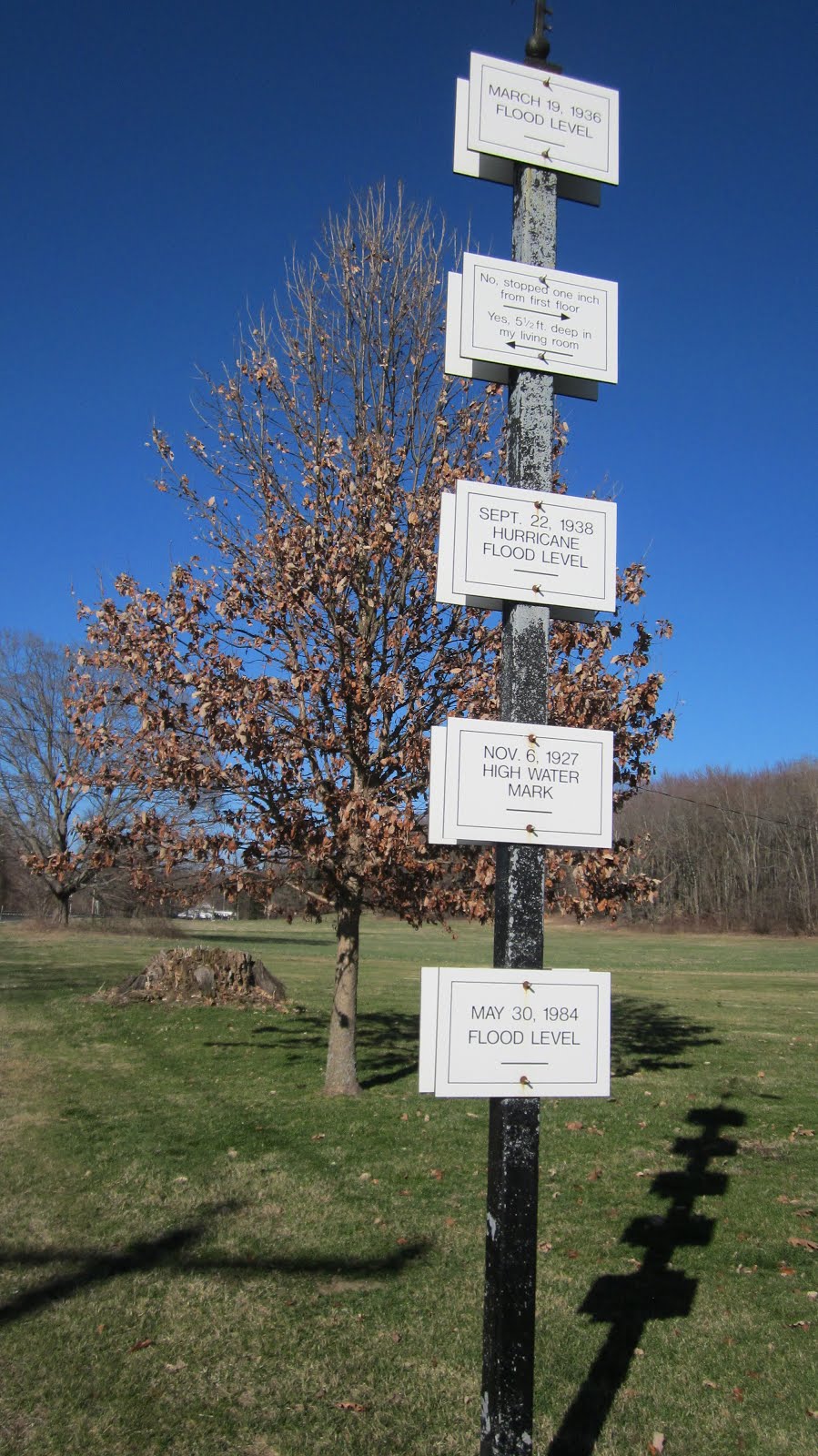
<p>This was a really cool sign we saw alongside the road near one of the trail parking areas. It shows the level of flood water at various historic levels. We could see the river on the other side of the road and it is incredible to imagine the water in that area rising to this height.</p>
]]></content>
  </entry>
  
  <entry>
    <title>Hamp Hack</title>
    <link href="https://gunthercox.com/posts/hamp-hack/"/>
    <updated>2016-02-28T00:00:00Z</updated>
    <id>https://gunthercox.com/posts/hamp-hack/</id>
    <summary>This weekend was Hampshire Collage&#39;s First hackathon, Hamp Hack. It was a 24 hour interdisciplinary hackathon with it&#39;s primary focus set on the topics of environmental sustainability, brain and cogni…</summary>
    <content type="html"><![CDATA[<p><img src="/assets/images/posts/hamp-hack/IMG_2827.JPG" alt="Hamp Hack"></p>
<p>This weekend was Hampshire Collage's First hackathon, Hamp Hack. It was a 24 hour interdisciplinary hackathon with it's primary focus set on the topics of environmental sustainability, brain and cognition, life hacks and artificial intelligence.</p>
<p><img src="/assets/images/posts/hamp-hack/IMG_2833.JPG" alt="GitHub octocat trophy"></p>
<p>Our team ended up winning an award from GitHub for our project (we each got an awesome Octocat trophy)!</p>
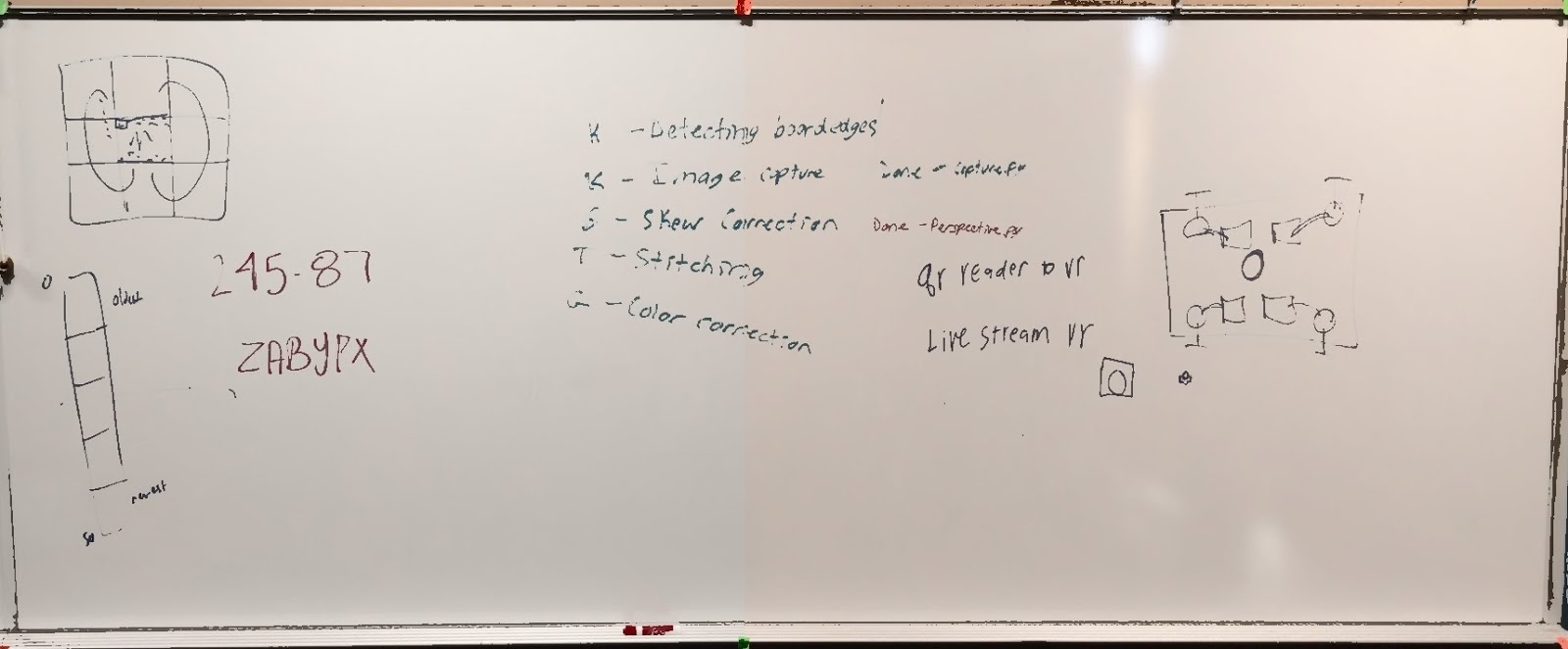
<p>For our project, we built an application that used <a href="http://opencv.org/">OpenCV</a> to process whiteboard images from multiple angles to make them more readable. Our hack was inspired by our own experiences in classes with professors that write very fast. An application that could automatically record the text written on the whiteboard and use OCR to make it searchable would be something that would come in quite useful for most people.</p>
<p>Our design centered around a pipeline that processed images from two different camera angles. The first step analysed the images to find the coordinates of the corners. These coordinates were then used to automatically correct the skew of the images caused by the camera angle. The left and right images were then stitched together to create a large panoramic view of the whiteboard. The final step of the process involved using a Gaussian distribution to sharpen the image to make it more readable.</p>
<p>Here is a sample of before and after images.</p>
<p>![Whiteboard before processing](/assets/images/posts/hamp-hack/Screenshot from 2016-02-28 12-03-22.png)</p>
<p><img src="/assets/images/posts/hamp-hack/out.jpg" alt="Whiteboard after processing"></p>
<p>This weekend was a lot of fun for everyone, there was a lot of great projects and it is always really cool to see the projects that each team comes up with.</p>
<p><img src="/assets/images/posts/hamp-hack/IMG_2826.JPG" alt="Major League Hacking"></p>
]]></content>
  </entry>
  
  <entry>
    <title>The Notch</title>
    <link href="https://gunthercox.com/posts/the-notch/"/>
    <updated>2016-01-24T00:00:00Z</updated>
    <id>https://gunthercox.com/posts/the-notch/</id>
    <summary>We hiked a main section of the Notch this weekend. It was a rather steep incline from the parking area to the summit.</summary>
    <content type="html"><![CDATA[<p><img src="/assets/images/posts/the-notch/IMG_2882.JPG" alt="The Notch"></p>
<p>We hiked a main section of the Notch this weekend. It was a rather steep incline from the parking area to the summit. There were a few rocks at the top where we stopped for lunch before heading back down. It was a great view and some very steep rocky parts that we had a bit of trouble traversing with the ground still frozen.</p>
<p>This wasn't one of the best places I've visited, however I learned afterwords that there is apparently caves in the Notch area. I would be very interested in returning at some point to investigate these.</p>
]]></content>
  </entry>
  
  <entry>
    <title>Local Hack Day</title>
    <link href="https://gunthercox.com/posts/local-hack-day/"/>
    <updated>2015-10-10T00:00:00Z</updated>
    <id>https://gunthercox.com/posts/local-hack-day/</id>
    <summary>We hosted Local Hack Day this weekend at Western New England University. As an official MLH sanctioned event, we had a bunch of great stuff to hand out to all of our participants.</summary>
    <content type="html"><![CDATA[<p><img src="/assets/images/posts/local-hack-day/12088540_751443405002274_6334911739330710622_n.jpg" alt="Local Hack Day"></p>
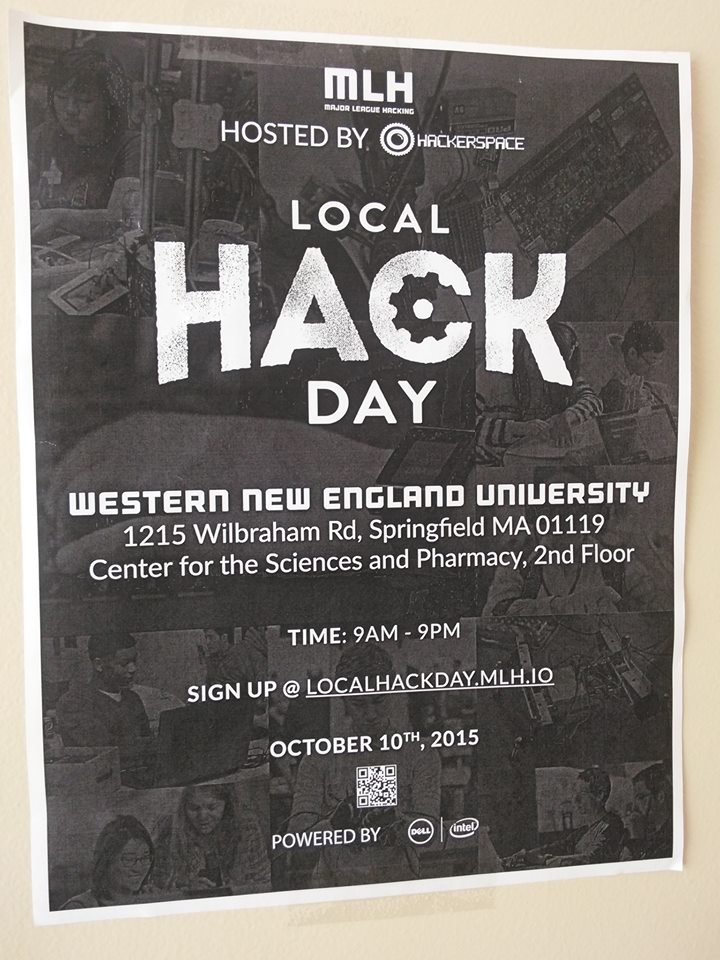
<p>We hosted Local Hack Day this weekend at Western New England University. As an official <a href="https://mlh.io/">MLH</a> sanctioned event, we had a bunch of great stuff to hand out to all of our participants. Who doesn't want to grab a handful of stickers, some buttons and a selfie stick?</p>
<p><img src="/assets/images/posts/local-hack-day/IMG_20151010_143134.jpg" alt="Local Hack Day Buttons"></p>
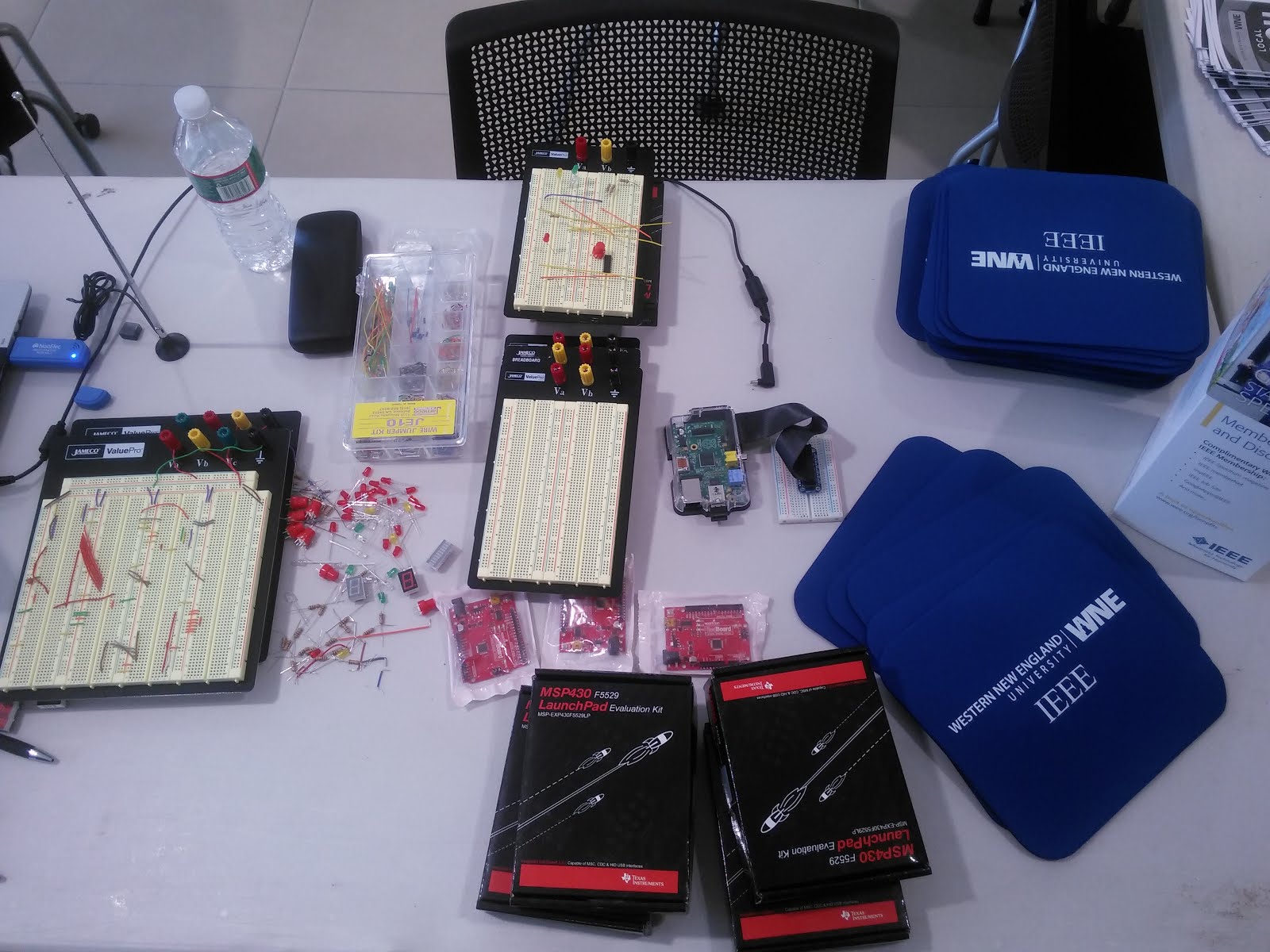
<p>We also had a bunch of great hardware for our attendees, thanks to our Hackerspace. As you can see, we had an awesome selection of development boards and other small electronic components to use for various projects.</p>
<p><img src="/assets/images/posts/local-hack-day/IMG_20151010_143051.jpg" alt="Hackerspace hardware"></p>
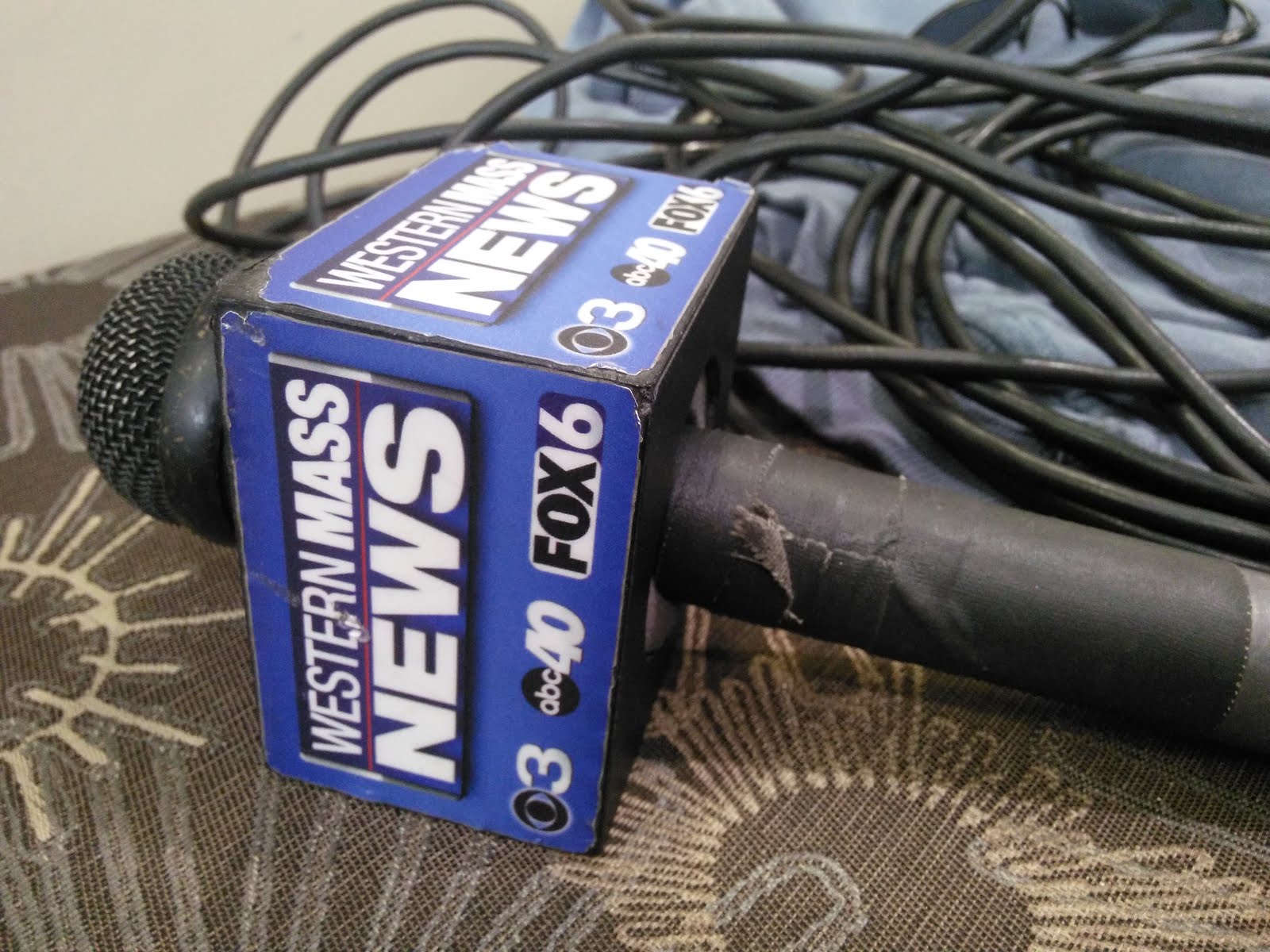
<p>The day's events featured several presentations covering topics such as procedural content generation, quantum computing, and software defined radio. We also had some great guest speakers and presentations given by our sponsors, Big Y and <a href="http://www.fitstaffingsolutions.com/">FIT Solutions</a>. In the morning, we even had live news coverage!</p>
<p><img src="/assets/images/posts/local-hack-day/IMG_20151010_093549.jpg" alt="Western Mass News Microphone"></p>
]]></content>
  </entry>
  
  <entry>
    <title>Hack MIT</title>
    <link href="https://gunthercox.com/posts/hack-mit/"/>
    <updated>2015-09-20T00:00:00Z</updated>
    <id>https://gunthercox.com/posts/hack-mit/</id>
    <summary>Our team traveled to MIT this weekend to participate in this years Hack MIT event. Hack MIT is a hackathon hosted my MIT students on the MIT campus.</summary>
    <content type="html"><![CDATA[<p><img src="/assets/images/posts/hack-mit/IMG_2805.JPG" alt="Hack MIT"></p>
<p>Our team traveled to MIT this weekend to participate in this years Hack MIT event. Hack MIT is a hackathon hosted my MIT students on the MIT campus.</p>
<p><img src="/assets/images/posts/hack-mit/IMG_2807.JPG" alt="My awesome name badge"></p>
<p><em>My awesome name badge.</em></p>
<p>This was my second time participating at Hack MIT and I have to say that it definitely ranks top on my list of best hackathons to attend. This year, Synaptic was one of the sponsors for the event and they were offering some different hardware options for participants to experiment with. We decided to grab one of their capacitive-based touch imaging sensors.</p>
<p><img src="/assets/images/posts/hack-mit/IMG_2809.JPG" alt="Synaptics capacitive-based touch imaging sensor"></p>
<p>After hooking up the sensor we came up with an idea to use it as an input device for producing different forms of audiovisual media. Essentially, we used the touch pad to create a piano-like synthesizer that would produce both sound and imagery depending on where the user touched the sensor.</p>
<p>Our code worked by using a bucket-flood algorithm to detect multiple touch points from the user's fingers. This produced raw values that we matched into a grid where each square on the grid represented a different tone. One axis was used to determine the note and the other axis was used to determine the octave.</p>
<p>As a final component to our project, we added a visualizer element using a Python open-gl library to display a burst of colors when the user touched the sensor. The color that was displayed was based on the tone being generated and the size of the burst was based on the amount of area that the user touched the sensor.</p>
<p><img src="/assets/images/posts/hack-mit/IMG_2814.JPG" alt="Synaptics capacitive touch sensor"></p>
<p>All together, this weekend was a great experience. Everyone on our team definitely learned a lot and had an amazing time programming, listening to sponsors present, and enjoying MIT's great meals.</p>
]]></content>
  </entry>
  
</feed>